
Otto Warburg’s Search for the Cancer-Diet Connection
Otto Warburg discovered a critical link between diet and cancer: cancer cells thrive on sugar and ferment it for energy, even when oxygen is available.
 Esther, Natural Health Consultant — detox and parasite cleansing
·
4 minute read
On this page
Renowned biochemist Otto Warburg uncovered a critical link between sugar metabolism and cancer, challenging the conventional view of cancer as solely a genetic disease and highlighting the potential of diet and detoxification in cancer prevention and treatment.
Otto Warburg, one of the greatest biochemists of the 20th century, discovered a critical link between diet and cancer in the 1930s. He found that cancer cells thrive on sugar (glucose) and ferment it for energy, even when oxygen is available—a process known as the “Warburg Effect.” This revolutionary finding challenged the prevailing belief that cancer was primarily caused by “bad genes” or “bad luck.”
My View
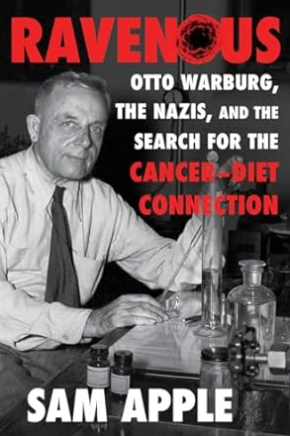
Sam Apple did a great job in this book about Otto Warburg. I read it and it was brilliant. There is a lot to learn from medical research before 1950, a time when chronic diseases were less common because treatments focused on addressing the root causes rather than merely masking symptoms with medication. It’s scandalous that Warburg’s discoveries, and other valuable insights from that era, remain so suppressed. Hopefully, this knowledge will become more widely recognised by the public in the future.
The Warburg Effect: Cancer’s Love for Sugar
Warburg observed that cancer cells consumed up to 10 times more glucose than normal cells and produced large amounts of lactic acid, a waste product. This explains the title of the book, “Ravenous,” referring to the voracious nature of cancer cells. He argued that cancer is primarily caused by cells fermenting sugar for energy instead of using oxygen in the mitochondria. This discovery suggests that reducing sugar and carbohydrate intake could help prevent cancer or slow its spread.
Cancer and Cellular Metabolism: A Paradigm Shift
Warburg’s work demonstrated that cancer is a metabolic disease, driven by an inefficient process of energy production in cells. Instead of producing energy inside the mitochondria, where 36 ATP molecules are generated, cancer cells produce energy outside the mitochondria, yielding only 2 ATP molecules. This inefficient energy production can also cause fatigue, as much less energy is available to the body.
The Role of Toxins and Diet in Cancer Development
Warburg also suggested that an overload of toxins in the body contributes to cancer, advocating for a low-sugar diet and detoxification as crucial strategies for cancer prevention and treatment. His research highlighted the importance of understanding cancer’s metabolic nature.
Suppressed Knowledge and Its Impact
Despite receiving the Nobel Prize in 1931 for his groundbreaking discovery of the respiratory enzyme, Warburg’s findings were largely overlooked or suppressed by the medical community and the pharmaceutical industry. If his insights had been more widely accepted, much suffering over the past 90 years could have been prevented. It remains astonishing that cancer patients in hospitals today still receive little to no information about the importance of diet in managing their disease.
Revisiting Past Medical Research
Learning from past medical research, like Warburg’s, can provide valuable insights into root cause healing, as opposed to merely managing symptoms. Warburg’s work remains a testament to the idea that cancer is not simply a result of “bad luck” or “bad genes,” but rather a condition deeply connected to diet and metabolism—a concept that holds promise for future cancer prevention and treatment.
Other holistically well known doctors or specialists, supporting Otto Warburg’s finding:
- Thomas Seyfried, is the best known with his book Cancer as a Metabolic Disease
- Ty Bollinger, from the highly censored Truth About Cancer, he wrote many books
- Dr Boz, who helped her mum cure stage 4 cancer with a ketogenic diet
Frequently Asked Questions
What is the Warburg effect?
The Warburg effect is Otto Warburg’s finding that cancer cells thrive on sugar (glucose) and ferment it for energy, even when oxygen is available. He observed that cancer cells consumed up to 10 times more glucose than normal cells and produced large amounts of lactic acid, a waste product, instead of using oxygen in the mitochondria.
What did Otto Warburg discover about cancer?
In the 1930s, Otto Warburg, one of the greatest biochemists of the 20th century, discovered a critical link between diet and cancer. He argued that cancer is primarily caused by cells fermenting sugar for energy, which challenged the belief that cancer was caused by “bad genes” or “bad luck”. He also suggested that an overload of toxins contributes to cancer.
Is cancer a metabolic disease?
Warburg’s work demonstrated that cancer is a metabolic disease, driven by an inefficient process of energy production in cells. Inside the mitochondria, 36 ATP molecules are generated; cancer cells produce energy outside the mitochondria, yielding only 2 ATP molecules. Thomas Seyfried built on this in his book Cancer as a Metabolic Disease.
What role do diet and detox play, according to Warburg?
Warburg advocated a low-sugar diet and detoxification as crucial strategies for cancer prevention and treatment. His discovery suggests that reducing sugar and carbohydrate intake could help prevent cancer or slow its spread. It remains astonishing that cancer patients in hospitals today still receive little to no information about the importance of diet.
What is the book Ravenous about?
Ravenous is Sam Apple’s book about Otto Warburg. The title refers to the voracious nature of cancer cells, which consume far more glucose than normal cells. I read it and it was brilliant. It shows how much there is to learn from medical research before 1950, when treatments focused more on root causes than on masking symptoms.
If this sounded familiar
Book a free Health Discovery Session
Thirty minutes, no obligation, with Esther, who has lived it herself. Tell her what you have already tried and you will get an honest read on whether her approach fits what you need, with room for your questions, your worries, and anything else about healing.