
Could Depression or Anxiety Be Linked to Lyme Disease?
Persistent low mood, racing thoughts or anxiety that doctors can’t explain may not be “all in your head.” Chronic Lyme disease may be an underlying contributor.
 Esther, Natural Health Consultant — detox and parasite cleansing
·
6 minute read
On this page
- Lyme: A Stealth Infection That Hides Deep in the Body
- Lyme Infection in Different Locations
- Common Complaints With Lyme
- Lyme Transmission — It’s Not Just Ticks
- Lyme Disease: “The Great Imitator”
- Why Lyme Is Rarely Just Lyme: The Role of Co-Infections
- Why Many People Go Undiagnosed
- A Holistic Approach to Lyme Recovery
- Stop Searching for Answers Alone
- Where to Start
- Frequently Asked Questions
Struggling with persistent low mood, racing thoughts, crippling anxiety, or a collection of strange symptoms that doctors can’t quite explain? You’re not alone — and it may not be “all in your head.” Many people are discovering that chronic Lyme disease may be an underlying contributor to symptoms often labelled as depression, anxiety, fibromyalgia, chronic fatigue, autoimmune conditions, or even psychiatric disorders.
Lyme: A Stealth Infection That Hides Deep in the Body
Lyme disease is far more complex than a simple infection.
The bacteria responsible, Borrelia spirochetes, are incredibly adaptable and can evade the immune system in several ways. In chronic cases, they often aren’t circulating in the bloodstream, which is one reason standard blood tests frequently miss them.
Instead, they may:
- Hide within protective biofilms
- Burrow into fascia (the connective tissue network throughout the body)
- Live inside cells where the immune system struggles to reach them
This stealth behaviour allows the infection to quietly interfere with important systems in the body, including:
- The nervous system
- Hormonal balance
- Mitochondrial energy production
- Detoxification pathways
Over time, this disruption can contribute to a wide range of chronic symptoms.
Lyme Infection in Different Locations
Lyme disease is often described as a multi-system illness rather than a single infection in one location.
It tends to migrate to areas of weakness in the body, such as:
- Old injuries
- Whiplash sites
- Surgical scars
- Areas of previous trauma
Symptoms may come and go, move around the body, or appear completely unrelated.
Common Complaints With Lyme
- Brain fog
- Migrating joint pain
- Night sweats
- Heart palpitations
- Digestive problems
- Skin issues
- Insomnia
- Mood changes
- Fatigue that never improves
Lyme Transmission — It’s Not Just Ticks
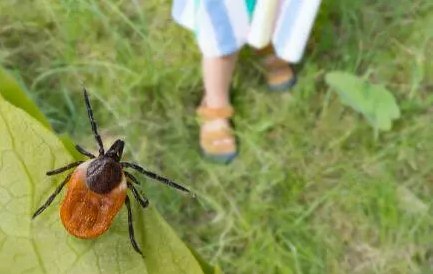
Ticks are the most well-known carriers of Lyme disease, but they may not be the only ones.
Other biting insects have also been implicated, including:
- Mosquitoes
- Fleas
- Lice
- Bed bugs
- Other ectoparasites
Often the bite is so small it goes completely unnoticed.
It is also possible to get Lyme transmission through:
- Sexual contact
- Breast milk
- Mother-to-child transmission during pregnancy
Lyme Disease: “The Great Imitator”
Lyme is often referred to as “the great imitator” because its symptoms overlap with many other conditions, including:
- Multiple sclerosis (MS)
- Chronic fatigue syndrome
- Fibromyalgia
- Anxiety and depression
- Autoimmune disorders
- Psychiatric conditions
The well-known bullseye rash is only seen in around 50% of cases, meaning many people never realise they were bitten.
Why Lyme Is Rarely Just Lyme: The Role of Co-Infections
What makes Lyme particularly complex is that ticks often carry multiple pathogens at once, resulting in co-infections that compound the illness and make symptoms more severe or persistent.
Common co-infections include:
- Babesia: a malaria-like parasite that invades red blood cells, often causing fever, chills, drenching sweats, headaches, air hunger (shortness of breath), fatigue, and anaemia-like effects.
- Bartonella: an intracellular bacterium that targets endothelial cells, erythrocytes, and others; linked to swollen lymph nodes, eye problems, heart issues (myocarditis/endocarditis), musculoskeletal pain, neurological symptoms, and even reactivation post-viral illnesses like COVID.
- Ehrlichia and Anaplasma: white blood cell parasites causing flu-like symptoms such as fever, headaches, body aches, low white cell/platelet counts, and elevated liver enzymes.
- Rickettsia: intracellular bacteria responsible for conditions like Rocky Mountain spotted fever, with symptoms including headache, fever, rash (sometimes with an eschar), nausea, and abdominal pain.
Why Many People Go Undiagnosed
Studies in the Lyme community suggest that around 36% of patients wait six years or more before receiving a proper diagnosis.
That’s years of fatigue, confusion, and symptoms that are often dismissed or misunderstood.
A Holistic Approach to Lyme Recovery
Eliminating chronic Lyme disease is possible, with patience and determination.
Focus on supporting the body by:
- Improving detoxification and drainage pathways
- Addressing biofilms
- Restoring mineral balance
- Supporting the immune system
- Eliminating intestinal parasites, mould, heavy metals and environmental toxins, which often play their part with Lyme.
The goal is to help the body gradually clear hidden infections, clean up the terrain and restore balance.
Stop Searching for Answers Alone
If you’ve been dealing with unexplained symptoms, anxiety, fatigue, or health issues that don’t seem to make sense, it’s easy to feel frustrated and stuck.
But there may be an underlying cause, and with the right guidance, you can start moving towards real answers.
Your body is incredibly resilient and capable of healing when it’s given the right support.
Where to Start
From our range, these match what this article describes: Drainage Activator for the detoxification and drainage pathways, CT-Minerals for mineral balance, and IS-BORR for supporting the immune system.



Frequently Asked Questions
Can Lyme disease cause anxiety and depression?
Many people are discovering that chronic Lyme disease may be an underlying contributor to symptoms often labelled as depression, anxiety, fibromyalgia or chronic fatigue. The infection can quietly interfere with your nervous system and hormonal balance, and mood changes and insomnia are common complaints. Lyme is called “the great imitator” because its symptoms overlap with anxiety, depression and psychiatric conditions, so it may not be “all in your head.”
What are the symptoms of chronic Lyme disease?
Common complaints include brain fog, migrating joint pain, night sweats, heart palpitations, digestive problems, skin issues, insomnia, mood changes and fatigue that never improves. Symptoms may come and go, move around the body or appear completely unrelated, because Lyme tends to migrate to areas of weakness such as old injuries, whiplash sites, surgical scars and areas of previous trauma.
Why do blood tests often miss Lyme disease?
In chronic cases the Borrelia bacteria often aren’t circulating in the bloodstream. Instead they may hide within protective biofilms, burrow into fascia or live inside cells where the immune system struggles to reach them. The well-known bullseye rash is only seen in around 50% of cases, so many people never realise they were bitten. Around 36% of patients wait six years or more for a proper diagnosis.
Can you get Lyme disease without a tick bite?
Ticks are the best-known carriers, but they may not be the only ones. Other biting insects have also been implicated, including mosquitoes, fleas, lice, bed bugs and other ectoparasites, and the bite is often so small it goes unnoticed. Lyme transmission is also possible through sexual contact, breast milk and from mother to child during pregnancy.
What are Lyme disease co-infections?
Ticks often carry multiple pathogens at once, and these co-infections make symptoms more severe or persistent. Common ones are Babesia, a malaria-like parasite that invades red blood cells; Bartonella, an intracellular bacterium linked to swollen lymph nodes, eye and heart problems; Ehrlichia and Anaplasma, which cause flu-like symptoms; and Rickettsia, known for Rocky Mountain spotted fever. Intestinal parasites often play their part too.
If this sounded familiar
- The Chinese Body Clock
- GABA vs Glutamate: How Their Balance Affects Calm, Sleep and Mood
- Understanding Autism, PANS, and PANDAS: 5 Steps
Book a free Health Discovery Session
Thirty minutes, no obligation, with Esther, who has lived it herself. Tell her what you have already tried and you will get an honest read on whether her approach fits what you need, with room for your questions, your worries, and anything else about healing.