
Healthy Gut, Healthy You
If you notice gut pain, bloating, gas or hives after eating, food may be irritating your system. Here are the hidden triggers and ten ways to calm your gut.
 Esther, Natural Health Consultant — detox and parasite cleansing
·
5 minute read
When working to heal your gut, it’s essential to reduce inflammation. If you notice gut pain, bloating, gas, or even skin reactions like hives after eating, it’s a sign that food may be irritating your system. In this case, it’s best to avoid the triggering food for at least 3–4 weeks to give your gut time to recover.
Hidden Triggers of Gut Issues
Some of the most common culprits include gluten, dairy, seed/vegetable oils, and soy. Foods that can also be problematic for some people, though often to a lesser degree, are eggs, nuts, and high amounts of carbohydrates. As a general rule, almost everyone can benefit from cutting out gluten for at least 30 days. If symptoms persist despite removing these foods, the issue may not be dietary at all. In many cases, an overgrowth of parasites, bacteria, or fungus is the real underlying cause.

10 Ways to Gut Victory
- To give your gut a break and reset it, you can do a 2-3 day modified fast, with bone broth or cleansing juice. Usually by the second day improvements are noticeable.
- Take a good probiotic. Not only do they support good bacterial health, but they also have a significant favourable effect on blood sugar levels. Also, spore biotics could be beneficial to take.
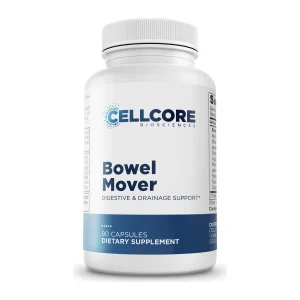
- Take natural herbs that support gut motility, such as Bowel Mover. These agents help food move through the digestive tract at a healthy pace, supporting overall gut function. It’s best to avoid regular laxatives, as they can irritate the gut lining and create dependency.
- Fasting is an incredible healing tool for the gut. It means to stick to eating 2-3 meals a day with at least 3 hours in between meals, NO snacking and NO eating 3-4 hours before bed.
- When dealing with SIBO, H. pylori, protozoa, pathogenic bacteria, or worms, herbal antimicrobials can be an excellent choice. They act as a natural alternative to antibiotics, helping to rebalance the gut without the harsh side effects. Research and clinical experience show that in up to 80% of gut issues, an overgrowth of these organisms is the underlying cause. For best results, you can follow our proven Gut Detox Protocol, or book a consultation with us to ensure your treatment is tailored to your body’s specific needs.
- Eating a low-carb diet can support better insulin sensitivity and help restore balance in the gut microbiome. Carbohydrates are essentially long chains of sugar molecules, and these act as food for unwanted bacteria and fungi — the very organisms you’re working to reduce.
- Avoid foods that you’re sensitive to, as these can trigger ongoing inflammation in your body. Over time, this constant immune response can wear you down, leaving you feeling fatigued and run-down.
- Support your liver and adrenals – This helps boost energy levels and ensures they can do their job properly in managing the constant onslaught of toxins.
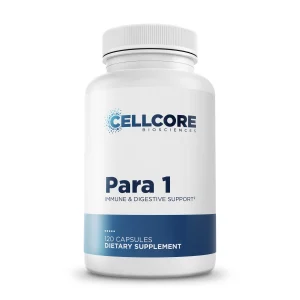
- Use biofilm busters – Biofilm acts like a protective shelter where bacteria and other microbes hide from the immune system. Breaking it down makes your treatment more effective and may also reduce the risk of relapse. Para 1 is the best product to use.
- Manage stress and review medications – Where possible, reduce reliance on unnecessary medications (always in consultation with your doctor), and place greater focus on lowering stress levels. Gentle movement, such as a daily walk, is a simple yet powerful way to calm the nervous system and support your gut healing journey.
What we use for this

Frequently Asked Questions
What foods trigger gut inflammation?
The most common culprits are gluten, dairy, seed and vegetable oils, and soy. Eggs, nuts and high amounts of carbohydrates can also be problematic for some people, though often to a lesser degree. As a general rule, almost everyone can benefit from cutting out gluten for at least 30 days.
How long should I avoid a food that irritates my gut?
If you notice gut pain, bloating, gas or even skin reactions like hives after eating, food may be irritating your system. Avoid the triggering food for at least 3–4 weeks to give your gut time to recover. Foods you are sensitive to can trigger ongoing inflammation that, over time, leaves you feeling fatigued and run-down.
What if my gut symptoms continue after changing my diet?
If symptoms persist despite removing trigger foods, the issue may not be dietary at all. In many cases an overgrowth of parasites, bacteria or fungus is the real underlying cause. With SIBO, H. pylori, protozoa, pathogenic bacteria or worms, herbal antimicrobials can be an excellent choice: a natural alternative to antibiotics, without the harsh side effects.
Can fasting help heal the gut?
Yes, fasting is an incredible healing tool for the gut. It means sticking to 2–3 meals a day with at least 3 hours in between, no snacking, and no eating 3–4 hours before bed. To give your gut a break and reset it, you can also do a 2–3 day modified fast with bone broth or cleansing juice.
Why use a biofilm buster?
Biofilm acts like a protective shelter where bacteria and other microbes hide from the immune system. Breaking it down makes your treatment more effective and may also reduce the risk of relapse. Para 1 is the best product to use for this, as one of the ten steps in this article.
If this sounded familiar
- Indigestion & Gut Sensitivity: Bile, Acid and What Most People Miss
- How to Improve Your Gut Microbiome and Restore Healthy Bacteria
- IBD and Gut Parasites: 9 Key Symptoms to Watch For
Book a free Health Discovery Session
Thirty minutes, no obligation, with Esther, who has lived it herself. Tell her what you have already tried and you will get an honest read on whether her approach fits what you need, with room for your questions, your worries, and anything else about healing.