
A lot of women take the contraceptive pill to prevent pregnancy. It’s widely promoted as a convenient and highly effective option—and in many ways, it is. The medical system is largely geared towards encouraging women to use it.
But is it really as safe as we’re led to believe?
After doing some research, I found a growing number of health professionals are raising serious concerns about its long-term impact on women’s health.
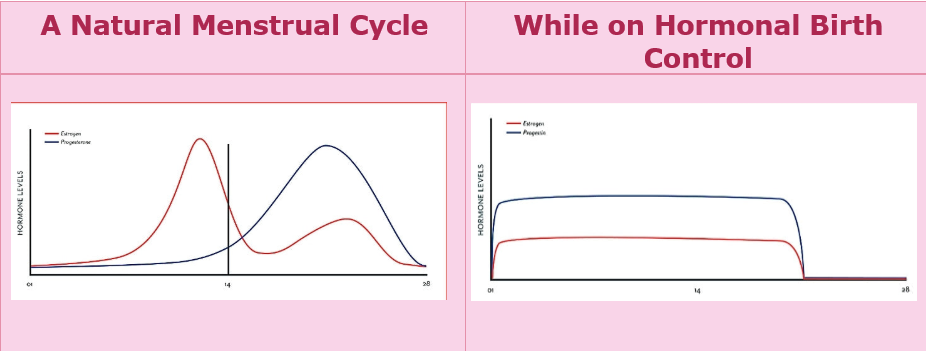
The female body is a beautifully intricate system. The natural cycle of hormones that women experience each month is a marvel of biology—complex, delicate, and essential for optimal health. Each phase of this cycle relies on a specific balance of hormones to support immunity, energy, mood, and overall wellbeing. Disrupting this balance can do far more than just make you feel a bit off—it can leave the door open to significant health issues.
Synthetic Hormones in the pill and Their Hidden Impact
Most birth control pills contain high doses of synthetic oestrogen and/or progestin. These hormones work by tricking the body into thinking it’s pregnant, thereby preventing ovulation.
However, this hormonal interference can upset the natural microbiome, especially in the gut and vaginal areas. For example, the likelihood of developing a yeast infection increases by around 25% in the first year of using the pill. Even after that first year, the rate remains high at around 20.6%. One type of birth control has even been linked to doubling the risk of Candida infections within the first five years.
Our bodies are naturally equipped with antimicrobial defences that help keep pathogens like Candida in check. Hormonal contraceptives may interfere with how these defences operate, reducing the expression of genes that help fight off infection.
And it’s not just the pill. Implantable contraceptives and intrauterine devices (IUDs) can also increase the risk of yeast overgrowth. IUDs, in particular, have been found to increase Candida levels in the vaginal environment by up to four times. Some IUD’s also release copper, which, although effective in sterilising sperm, can create inflammation and deplete zinc levels—an essential mineral for immune function.
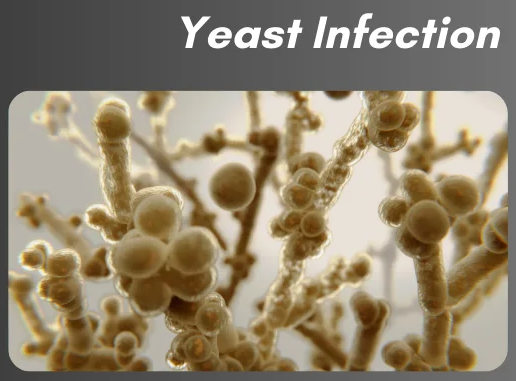
Surprisingly, hormonal contraceptives may even contribute to oral Candida infections and increased plaque buildup on teeth. Other signs of a yeast infection include a white-coated tongue, fungal infections on the toenails, vaginal thrush, and strep throat. I had all of these 😵
Emotional & Neurological Effects
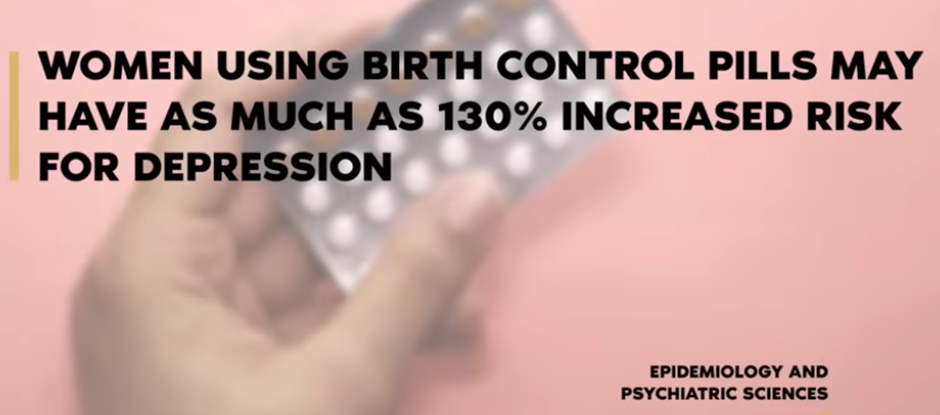
Studies have shown that women on hormonal contraceptives are significantly more likely to experience depression compared to those who aren’t. In fact, depression is the most common reason women stop taking the pill, with teenage users being particularly vulnerable.
Recent brain imaging research has revealed that some areas of the brain appear thinner in women using birth control—particularly those regions involved in reward processing and decision-making.
Other issues linked to contraceptive use include a higher risk of urinary tract infections (UTIs), reduced libido, and a weakened stress response. And let’s not forget: the pill is a pharmaceutical drug, not a vitamin. All medications carry risks—and the pill is no exception.
Nutrient Depletion
Hormonal birth control has been shown to deplete the body of essential nutrients, including:
🌿 B vitamins (B1, B2, B6, B9)
🌿 Vitamins A and C
🌿 Magnesium
🌿 Zinc
It can also lower your levels of platelets and white blood cells—both crucial for a strong immune system.
It’s Time to Look Deeper
Problems like acne, menstrual cramps, PCOS or headaches are often signs of deeper imbalances. Instead of masking symptoms with synthetic hormones, it may be more effective to investigate underlying causes—such as toxic load from heavy metals or chemical exposure. Supporting the body through detoxification and natural healing often leads to clearer skin and more regular cycles—without the need for drugs.
The Pill and Increased Cancer Risks
There’s also evidence linking hormonal contraceptives with a higher risk of breast, ovarian, and cervical cancer. These are not risks to take lightly.
Safer Alternatives
If you’re looking for natural alternatives, there are several effective options:
💡 Fertility awareness: Monitoring your basal body temperature can be up to 80% effective.
💡 Cervical mucus tracking: Observing changes can help you identify fertile days.
💡 Calendar-based methods: Keeping a record of your menstrual cycle for several months helps predict ovulation.
💡 Digital fertility monitors: Devices like the Lady-Comp have shown 99.3% accuracy.
💡 Condoms: When used correctly, they’re 98% effective—and hormone-free.

Your Period Is Not a Problem to Be “Fixed”
You don’t need the pill to “fix” your period. In reality, the pill suppresses your natural cycle—it doesn’t heal it. Acne, PMS, PCOS, and mood swings are signals from your body, not flaws to be silenced.
How to Support Hormones Naturally
- Eat an anti-inflammatory, whole-food diet
- Include healthy animal fats and probiotics

- Supplement with vitamin D and essential nutrients
- Prioritise sleep and regular movement
- Reduce your toxic load and manage stress
- S-Tro from Cellcore can help to support healthy estrogen and testosterone levels in both men and women.

Final Thoughts
This isn’t about demonising the pill—it’s about informed consent. Women deserve to know both the benefits and the risks. For some, the pill may still be the right choice. But for many others, it causes more harm than good.
References:
Birth-control pills affect the body’s ability to regulate stress, study suggests.
Oral contraceptives, reproductive factors and risk of inflammatory bowel disease.
How The Pill Can Seriously Affect A Woman’s Health.
Association of Hormonal Contraception With Depression.
Population-based cohort study of oral contraceptive use and risk of depression.
Birth control pills may increase the risk of depression.
Candida albicans pathogenicity mechanisms.
Cellular and Molecular Biology of Candida albicans Estrogen Response.
Short- and long-term influence of the levonorgestrel-releasing intrauterine system (Mirena®) on vaginal microbiota and Candida.
Effect of intrauterine device insertion on Candida species in cervicovaginal specimen identified by polymerase chain reaction technic: A longitudinal study on Iranian women.
If you have any questions you can book a FREE online initial consultation: