Gallbladder Pain, Gallstones and the Liver-Bile Ducts
You don't have to simply "live with" gallbladder pain. The liver makes bile and the gallbladder stores it; here are 8 ways to support both and reduce the risk of gallstones.
 Esther, Natural Health Consultant — detox and parasite cleansing
·
9 minute read
On this page
- What Is the Purpose of Bile?
- Gallstones and Risk Factors
- Gallbladder Pain and Surgery
- 8 Strategies to Support Your Liver and Gallbladder
- 1. Maintain a Healthy Body Weight
- 2. Keep Blood Sugar in Check
- 3. Follow a Healthy Diet
- 4. Consider Coffee Enemas
- 5. Prevent Constipation
- 6. Stay Active
- 7. Take TUDCA
- 8. Do a Parasite Cleanse
- My Journey With Liver and Gallbladder Cleansing
- Frequently Asked Questions
- References
Detoxification places significant emphasis on the body’s detoxifying organs, such as the liver and gallbladder. When disease sets in, the liver often becomes overburdened and the gallbladder congested and sluggish. Addressing these issues early on is crucial for a successful detox protocol.
Many chronic illnesses originate in the gut, making it the starting point for healing. A healthy, well-functioning gut can alleviate numerous issues throughout the body. You don’t have to simply “live with” gallbladder pain; these symptoms are your body’s way of signalling that something is wrong.
Fortunately, you can overcome recurring digestive symptoms by addressing the underlying risk factors. These include diet, toxins, stress, and chronic infections like parasites and Lyme disease.
The gallbladder is a small, pouch-like organ located on the upper right side of the abdomen, near the liver. It serves to collect and store bile, a digestive fluid produced by the liver. During digestion, the gallbladder contracts to release bile into the small intestine. The liver makes bile and the gallbladder stores it.

What Is the Purpose of Bile?
Bile is primarily composed of water, but it also contains a mix of bile salts, bilirubin, cholesterol, electrolytes, and several other components. These elements work together to aid in the absorption of fats and to neutralise stomach acid.
Gallstones and Risk Factors
Gallstone issues affect approximately 10-15% of adults. Gallstones can harbour bacteria, cysts, viruses, and parasites passing through the liver, forming ‘nests’ of infection. As gallstones grow larger, the risk of them blocking the bile ducts increases. When a bile duct is blocked, pressure builds up inside the gallbladder, leading to intense pain in the upper right part of the abdomen, commonly referred to as a “gallbladder attack.”

Gallbladder Pain and Surgery
Due to the intense pain of gallbladder attacks, many people opt to have their gallbladder removed. The rationale behind this surgery is that removing the organ will eliminate the pain. However, this isn’t always the case.
Abdominal pain can persist in up to 41% of people who have had their gallbladder surgically removed. Additionally, one study found that about 1 in 5 people experienced complications from gallbladder surgery, which could result in bile duct and liver injury.
The good news is that there are other ways to support your gallbladder and restore gut health without resorting to surgery.
8 Strategies to Support Your Liver and Gallbladder
There are several ways to reduce the risk of gallstones and address gallbladder issues. Consider the following strategies:
1. Maintain a Healthy Body Weight
Being overweight is a significant risk factor for gallstones. Excess weight causes the liver to secrete more cholesterol into the bile, disrupting its composition and increasing the risk of gallstones. The connection between weight gain and gallstones becomes more pronounced with age. Therefore, it is essential to keep your weight in check as the years go by. If you are overweight, losing weight can reduce this risk. However, be cautious of rapid weight loss programs. Losing more than 1.5 kg per week is linked with an increased risk of gallstones in 10-25% of people.
2. Keep Blood Sugar in Check
High blood sugar and diabetes increase the risk of gallstones. Even if you do not have diabetes, you might be on the path to developing it. One early indicator is insulin resistance, making it crucial to monitor closely. Insulin levels rise in your blood tests before blood sugar levels do.
Insulin resistance occurs when cells become less responsive to insulin, the hormone that helps cells absorb glucose from the blood, leading to elevated blood sugar levels. Risk factors for insulin resistance include excess weight, lack of physical activity, and sleep apnoea. Addressing these factors supports healthy blood sugar levels and reduces the risk of gallstones.
3. Follow a Healthy Diet
An unhealthy diet increases the risk of gallstones, with fast food and sweets being common culprits. Conversely, whole vegetables and fruits are associated with a lower risk of gallstones. Incorporating healthy fats and proteins into your diet is also beneficial. These nutrients stimulate the gallbladder to release bile, preventing it from becoming stagnant. The longer bile stays in the gallbladder, the more concentrated it becomes, raising the risk of gallstones.
4. Consider Coffee Enemas
Coffee enemas can be an effective tool for liver detoxification. The liquid is absorbed via veins in the rectum and travels to the liver, where it may trigger the bile ducts to dilate, encouraging the release of bile from the gallbladder. This process is important for reducing the risk of gallstones. Bile helps carry toxins out of the body, but most bile is reabsorbed in the gut and carried back to the liver to be recycled. Preventing the recirculation of toxin-laden bile is crucial for effective detoxification.
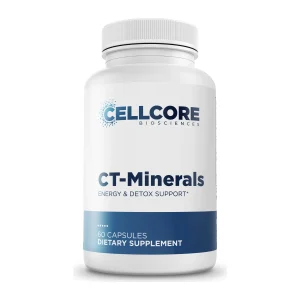
Carbon Technology can assist with this by binding bile in the gut, helping to eliminate it in stools rather than allowing it to recirculate. If you decide to do a coffee enema, consider taking CellCore CT-Minerals. This supplement supplies Carbon Technology, along with naturally occurring plant-derived minerals and amino acids, to support routine detoxification before and after coffee enemas.
5. Prevent Constipation
Constipation is linked to an increased risk of gallstones due to the slow movement of gut contents, which can cause the gallbladder to empty slowly. When constipated, the gallbladder may not contract as forcefully, resulting in less bile being released into the gut. This can lead to bile stagnating in the gallbladder, increasing the risk of gallstones. To promote regular elimination and help prevent gallstone formation, consider using intestinal-moving herbs. These herbs can support healthy digestion and ensure that bile is regularly and effectively released from the gallbladder.
6. Stay Active
Regular physical activity is essential for maintaining healthy blood sugar levels and weight, which in turn lowers the risk of developing gallstones. Preliminary human research suggests that physical activity may also increase the flow of bile and support gallbladder emptying, further reducing the risk of gallstones. Even low-intensity physical activity can be beneficial for gallbladder health. Engage in activities you enjoy and are able to do consistently, as this will help you stay committed to a regular exercise routine.
7. Take TUDCA
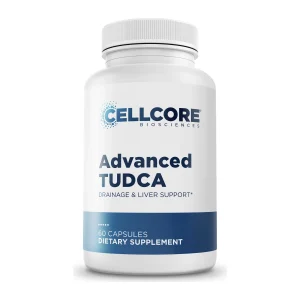
Tauroursodeoxycholic acid, commonly known as TUDCA, is a water-soluble bile acid naturally produced by the body in small amounts. It can also be taken as a supplement for additional benefits. CellCore’s Advanced TUDCA combines TUDCA with melatonin, NAC, and Carbon Technology to enhance liver and digestive function and promote toxin elimination. TUDCA helps stimulate bile flow and improve bile quality. In Italy and Turkey, TUDCA is approved for treating gallstones and may also aid in their prevention. Even if you don’t have a gallbladder, TUDCA is beneficial as it contributes bile acids. For best results, take TUDCA with a meal to support digestion.
8. Do a Parasite Cleanse
Parasites are often a hidden root cause of digestive tract problems. Both animal and human studies have linked parasites, including liver flukes, to gallstones. Liver flukes can increase harmful bacteria in the gut microbiota, which may impact the composition of bile and encourage gallstone formation. To support liver and gallbladder health, consider completing a parasite cleanse. Certain herbs, such as clove and tansy, help guard against these unwelcome guests, while Mimosa pudica seed can aid in sweeping parasites out of the gut.
My Journey With Liver and Gallbladder Cleansing
In 2020, I read The Cure for All Diseases by Hulda Clark and The Amazing Liver and Gallbladder Flush by Andreas Moritz. These books outlined a cleanse for eliminating liver and gallstones that clog the many ducts. I decided to try the cleanse, and the results were remarkable. I passed at least 50 stones, mostly cholesterol stones. The first ones were whitish, followed by greener ones, which I collected in a sieve.
I attribute these stones to the low-calorie, high-sugar diet I followed for most of my life. Since bile is primarily made of fat and my diet lacked sufficient fat, my bile became sluggish. Additionally, sugar, being a toxin, burdened my liver. The high number of stones told me that my body was full of toxic waste.
Now, I know there is a better and easier way to eliminate stones. A thorough detox using products like CellCore KL Support and TUDCA, along with following the 8 steps mentioned earlier, can help support liver health and prevent gallstones effectively.
What we use for this

Frequently Asked Questions
What does the gallbladder do?
The gallbladder is a small, pouch-like organ on the upper right side of the abdomen, near the liver. The liver makes bile and the gallbladder stores it. During digestion, the gallbladder contracts to release bile into the small intestine, where it helps you absorb fats and neutralises stomach acid. Bile also helps carry toxins out of the body.
What does a gallbladder attack feel like?
As gallstones grow larger, the risk of them blocking the bile ducts increases. When a bile duct is blocked, pressure builds up inside the gallbladder, leading to intense pain in the upper right part of the abdomen. This is commonly referred to as a “gallbladder attack.” You don’t have to simply “live with” gallbladder pain; it is your body’s way of signalling that something is wrong.
What causes gallstones?
The main risk factors are being overweight, rapid weight loss, high blood sugar and insulin resistance, a diet of fast food and sweets, and constipation, which lets bile stagnate in the gallbladder. Parasites, including liver flukes, have also been linked to gallstones. The longer bile stays in the gallbladder, the more concentrated it becomes, raising the risk of stones.
Does removing the gallbladder stop the pain?
Not always. Many people opt to have their gallbladder removed because of the intense pain of gallbladder attacks, but abdominal pain can persist in up to 41% of people after surgery. One study found that about 1 in 5 people experienced complications, which could result in bile duct and liver injury. There are other ways to support your gallbladder and restore gut health without resorting to surgery.
Can you take TUDCA if you are missing a gallbladder?
Yes, absolutely, this would be beneficial. Even if you don’t have a gallbladder, TUDCA contributes bile acids, helps stimulate bile flow and improves bile quality. Take one tablet with every meal to support digestion. You can read more in the power of TUDCA.
References
- Picture gallbladder in body from: nethealthbook.com
- Picture gallstones from: southernsurgicalcare.com.au/gallstones
If this sounded familiar
- Why Your Liver Is Not Keeping Up
- How to Choose Clean, High-Quality Supplements
- Lipedema and Inflammation: Toxins, Diet and Lymphatic Health
Book a free Health Discovery Session
Thirty minutes, no obligation, with Esther, who has lived it herself. Tell her what you have already tried and you will get an honest read on whether her approach fits what you need, with room for your questions, your worries, and anything else about healing.