
Breast Implant Illness (BII) occurs when your body reacts negatively to breast implants — whether silicone or saline. Tiny amounts of chemicals, metals, or silicone can escape from the implants, triggering your immune system to see them as a threat. Over time, the risk of rupture increases significantly.
Common symptoms may include:
- Constant fatigue or low energy
- Brain fog or memory problems
- Joint or muscle pain
- Skin rashes or unexplained itching
- Hair loss or thinning
- Anxiety, depression, or mood swings
- Swollen lymph nodes
- Hormone imbalances
- Chronic headaches
- Digestive issues
Because these symptoms can mimic many other health conditions, BII is often overlooked or misdiagnosed — leaving many women feeling frustrated and unheard. Recognising the signs can help you take action sooner and make informed choices about your health.
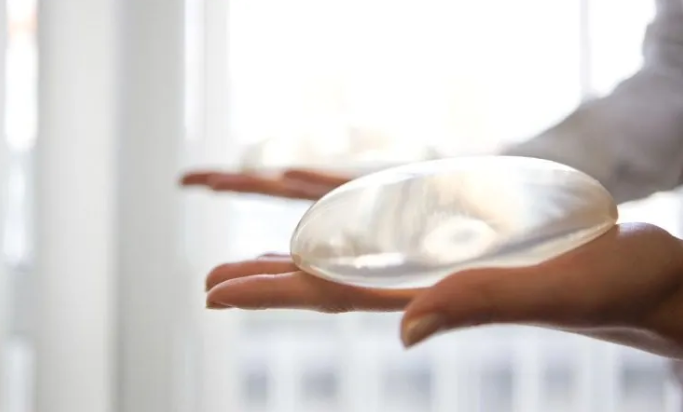
Key facts:
- There are no safe breast implants.
- All implants bleed, leak, or rupture — and are toxic from DAY ONE.
- Silicone and 30+ other toxins can migrate to lymph nodes, liver, brain, and other organs.
- Saline implants have been found with mould growth inside, despite being marketed as “sterile” or “safe”.
- Implants can harbour biofilm infections (bacterial or fungal) that are extremely difficult to detect and treat.
- FDA studies show most implant patients experience at least one serious complication within three years.
- No long-term safety studies prove implants are safe.
- Litigation over implant-related illness has been ongoing since the 1970s.
What You Can Do if You Have Implants
1. Get informed – Know your implant type, date of surgery, and the risks of BII.
2. Track symptoms – Keep a journal of changes in energy, mood, digestion, hormones, or skin health.
3. Support detox – Follow a targeted detox protocol, eat a clean whole-food diet, hydrate well, exercise regularly, and support your lymphatic, liver, and gut health.
4. Reduce toxins – Avoid processed foods, plastics, mould exposure, and harsh chemicals.
5. Monitor implants – Arrange regular imaging to check for leaks or ruptures.
6. Consider removal – Research qualified en bloc specialists if you are exploring explant surgery.
7. Protect mental health – Prioritise emotional wellbeing and connect with support groups.

Explantation — The Start of Healing, Not the End
While removing implants — ideally with a full capsulectomy — is an essential step toward recovery, it is rarely the complete solution. A holistic healing plan often includes:
- Preparation: Strengthen detox pathways (liver, lymph, gut), support adrenal and hormonal balance, ensure nutrient-dense and low-toxicity nutrition, boost metabolism, adopt healthy lifestyle habits, and prepare emotionally.
- Long-term detoxification: Commit to at least one year (sometimes two to three years) of targeted detox to clear silicone residue, heavy metals, mould, and parasites, while nourishing tissues and organs.
- Emotional healing: Process trauma, rebuild confidence, and reclaim body autonomy.
I like this phrase: “Don’t remove your implants until you’ve learned what they were meant to teach you.” – Dianne Kazer
Major Australian Legal Cases Linked to Breast Implant Illness (BII)
Litigations tied to BII have been ongoing for five decades, beginning around 1970 and continuing to the present.
Some examples of the major legal actions and settlements in Australia:
- Class Action Against Allergan (Textured Implants)
• Case: Grace Mary Ruth Donnelly v Allergan Australia Pty Limited
• Details: Filed in February 2025, this Federal Court class action—led by William Roberts Lawyers and funded by Omni Bridgeway—alleges that Allergan’s recalled Natrelle Biocell textured implants breached Australian consumer guarantees by increasing the risk of breast implant-associated anaplastic large-cell lymphoma (BIA-ALCL). The suit seeks compensation for financial loss, medical costs, and mental distress.
• Source: William Roberts Lawyers - The Cosmetic Institute (TCI) Class Action Settlement
• Case: Class action launched in 2017 against a series of “one-size-fits-all” breast augmentation procedures at TCI’s clinics in NSW and Queensland. Patients reported serious complications—heart problems, lung punctures, seizures, and psychological harm.
• Outcome: In April 2024, TCI agreed to a $25 million settlement, with $2.8 million to lead plaintiffs, $10 million for legal costs, and over $12 million for other affected women. The settlement was approved by the NSW Supreme Court.
• Source: Aesthetic Medical Practitioner - Historic Dow Corning Litigation
• Outcome: A decade-long class action (1994–2002) led by Slater & Gordon against Dow Corning resulted in a $32 million compensation payout to over 3,000 Australian women impacted by defective implants.
Guidance, Detox & Care for Women with Breast Implants
If you have breast implants and need guidance and support, we’re here for you. We can help you navigate detoxification—both physically and emotionally—and when you’re ready for explant surgery, we’ll know exactly how to guide you through the process in the best way possible for your body.
𝒀𝒐𝒖 𝒂𝒓𝒆 𝒏𝒐𝒕 𝒃𝒓𝒐𝒌𝒆𝒏.
Your body is incredibly resilient and always on your side. Sometimes we just need to give it the right support, and let it do what it’s designed to do — heal and thrive 
Book Your Free Health Discovery Session
Loading….
References:
- Silicone Migration from Intact Saline Breast Implants – 2024
A study found that silicone can migrate from intact saline implants into lymph nodes, provoking a foreign-body inflammatory reaction, even without rupture. - Breast Implant Silicone Exposure Induces Immunogenic Response and Autoimmune Markers in Human Periprosthetic Tissue
A recent molecular study showed that exposure to silicone gel—even without symptoms or rupture—can trigger an immune response and upregulate autoimmune disease markers, providing biological evidence for immune activation. - Breast Implant Illness: Symptoms, Outcomes with Explantation, and Potential Etiologies—A Systematic Review and Meta-analysis
This review reported that around 28.5% of BII patients experienced implant rupture or bleeding. Rupture was linked to more severe symptoms, and silicone found in lymph nodes and other tissues was associated with chronic inflammation. - Human Immune Response to Polydimethylsiloxane (Silicone): Screening Studies in a Breast Implant Population
An immunological study showing women with implants had significantly elevated anti-silicone IgG antibodies—especially those with ruptures or leakage—indicating the body mounts an immune response to silicone. - Interstitial Lung Diseases Associated with Metal Content in Silicone Breast Implants: A Case Series
In three women with interstitial lung disease, implants were found to contain metals (nickel, zinc, tungsten, iron, aluminium, zirconium), which were also detected in bodily samples. Immune sensitisation to these metals was confirmed via MELISA testing. - Exploring Factors Associated with Implant Removal Satisfaction in Breast Implant Illness Patients: A PRO BREAST-Q Study
A cohort of 20 women undergoing explantation with capsulectomy reported improvements in symptoms including headaches, chest discomfort, muscle pain, and fever. - Incidence of Silicone Breast Implant Rupture
Data show rupture risk increases over time: about 98% of modern silicone implants remain intact at 5 years, but only 83–85% at 10 years—meaning a 15%+ rupture risk between years 3 and 10. - Book- Killer Breasts; overcoming Breast Implant Illness by Diane Kazer
A compassionate, structured guide based on Diane’s own journey with breast implant illness, including physical and emotional recovery, detox strategies, hormone healing, and self-empowerment - Book- The Naked Truth About Breast Implants: From Harm to Healing by Susan Kolb
Combines Dr Kolb’s personal story—having both silicone and saline implants—with her extensive clinical experience treating women suffering from breast implant disease, immune disorders, and siliconosis.