
How to Improve Your Gut Microbiome and Restore Healthy Bacteria
When your gut microbiome becomes imbalanced, it can lead to bloating, fatigue, skin conditions and food intolerances. Here is how to cleanse, repopulate with good bacteria and heal the gut lining.
 Esther, Natural Health Consultant — detox and parasite cleansing
·
5 minute read
On this page
Your gut microbiome is critical in digestion, immune health, and mental well-being. When this microbial community becomes imbalanced, due to poor diet, stress, antibiotics, or illness, it can lead to a host of issues like bloating, fatigue, skin conditions, food intolerances, and more. Fortunately, there are natural and effective ways to cleanse your gut of harmful organisms and toxins and support the regrowth of beneficial microbes.
Identify the Problem in the Gut
Before you jump into a gut reset, it’s worth identifying if dysbiosis (gut imbalance) might be an issue for you. Common signs include:
- Digestive issues (bloating, diarrhoea, constipation)
- Persistent fatigue or brain fog
- Skin flare-ups (eczema, acne)
- Food intolerances
- Frequent illness or low immunity
Some people turn to stool testing to analyse their gut microbiome. However, I don’t believe testing is worth it, for several reasons:
- The microbes in your gut change from one day to the next depending on what you eat, your stress levels, and even your sleep.
- A stool test only reflects the last part of your large intestine; it gives no real insight into what’s happening in your small intestine or further up your gut.
- Many important microbes live within the gut wall itself, and they don’t come out in your stool. So, what you see on a test is only a snapshot of what’s been shed, not the full picture of your gut ecosystem.
- And importantly, these tests are often expensive, yet offer limited practical insights that actually change how you heal your gut.
Instead of relying on pricey snapshots, it’s more empowering and cost-effective to make evidence-based lifestyle changes that support gut health long-term.
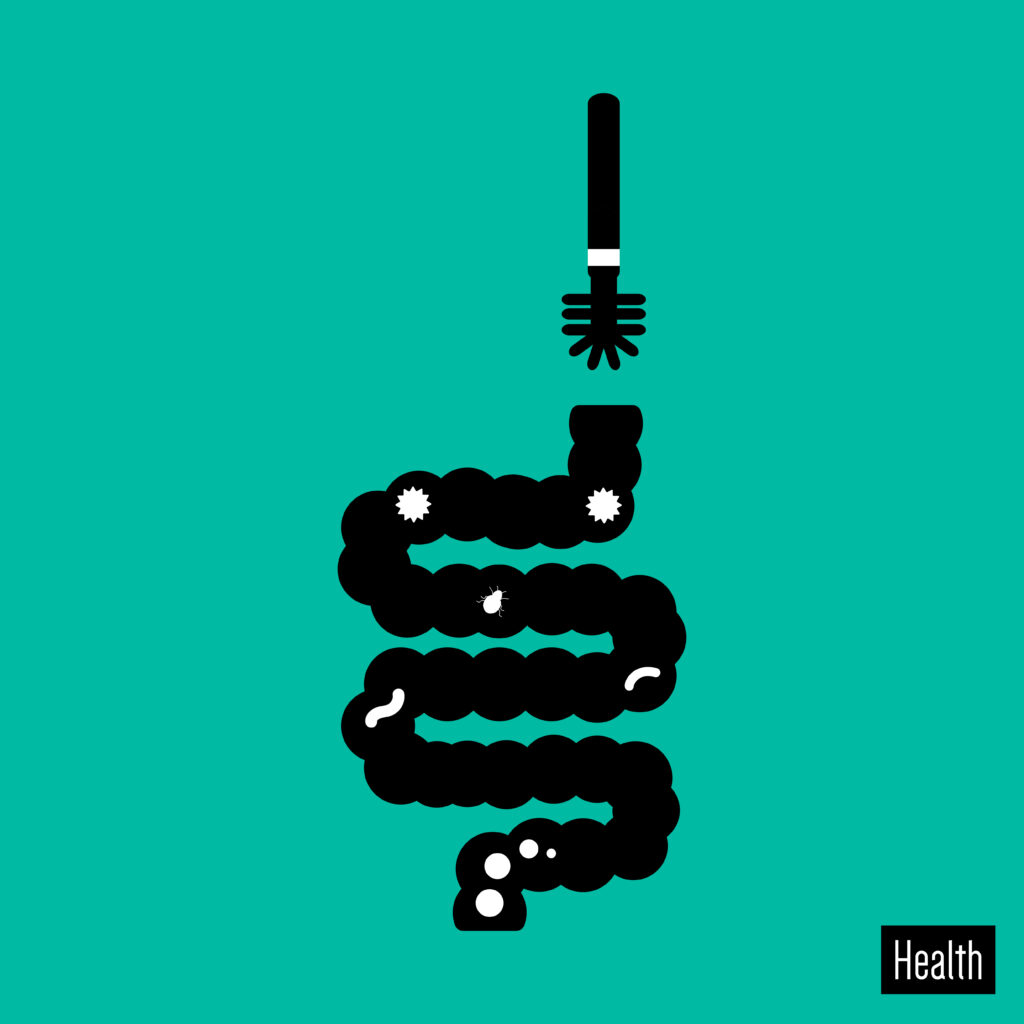
Remove Harmful Organisms
To restore balance, start with a gut cleanse. Focus on removing pathogens and irritants that allow bad bacteria or yeast to thrive.
Eliminate Irritants
- Cut out sugar, refined carbs, alcohol, and processed foods, which feed harmful bacteria and fungi.
- Remove common triggers such as gluten and dairy if you suspect they worsen symptoms.
Use Natural Antimicrobials
- Natural antimicrobials such as oregano oil, garlic, clove, berberine, and caprylic acid can help reduce harmful bacteria, fungi, and parasites. It’s important to choose products from reputable brands that are free from heavy metals and chemical contaminants, and have been independently tested for purity.
- CellCore’s binders may assist in binding and removing toxins during the cleanse phase.
Drink Filtered Water
Drink plenty of highly filtered or distilled water to support detox pathways and make sure your drainage pathways are open.
Repopulate With Good Bacteria
Once you’ve cleared the way, it’s time to replenish the microbiome with beneficial microbes.
- Take a broad-spectrum probiotic with multiple strains (like Lactobacillus, Bifidobacterium, and Saccharomyces boulardii).
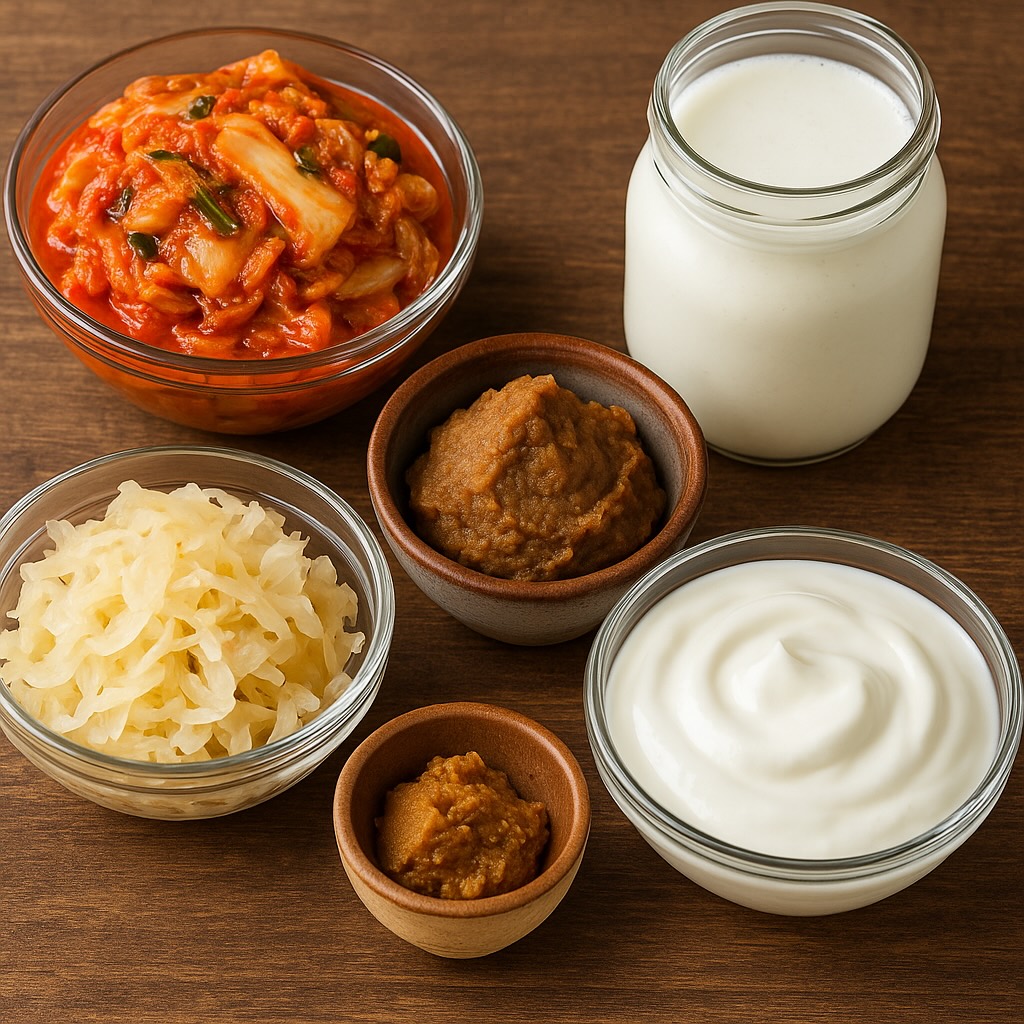
- Fermented foods such as sauerkraut, kimchi, kefir, miso, and yoghurt (dairy or plant-based) are rich in live cultures.
Heal and Seal the Gut Lining
A damaged gut lining (leaky gut) can allow toxins and bacteria into the bloodstream, fuelling inflammation.
Helpful gut-healing nutrients include:
- L-glutamine: an amino acid that supports gut wall repair
- Zinc carnosine: helps reduce inflammation and restore the mucosal barrier
- Aloe vera, slippery elm, and marshmallow root: soothe and protect the gut lining
- Collagen or bone broth: provides glycine and other compounds that aid tissue repair
Manage Stress and Sleep
Chronic stress alters gut bacteria and increases gut permeability. Support your gut by:
- Prioritising quality sleep
- Practising mindfulness, breathing exercises, or gentle movement like yoga
- Limiting caffeine and overstimulation

Stay Consistent
Your gut microbiome responds to daily habits. Even after a reset, continue to:
- Eat a diverse, whole-foods diet
- Limit antibiotics unless necessary
- Get outside, exposure to natural environments (and soil!) supports microbiome diversity
- Avoid excessive sanitiser use or antibacterial products, these can damage your skin microbiome and dry out your skin.
Final Thoughts
Restoring your gut microbiome is a journey that involves the whole body. If the body is free from toxins and bugs, well-nourished with real food, beneficial microbes can thrive.
If your symptoms persist or are severe, make an appointment for a free initial gut restoration consultation.
Where to Start
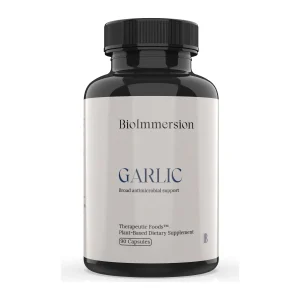
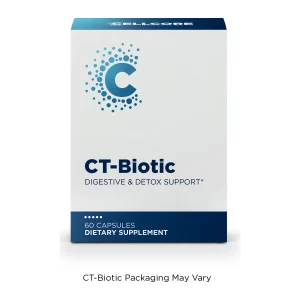
From our range, these match the steps this article describes: BioImmersion Organic Garlic as a natural antimicrobial for the cleanse, CellCore CT-Biotic as a probiotic to repopulate, and CellCore CoreMend GI for the gut lining.

Frequently Asked Questions
How can I improve my gut microbiome naturally?
Work in steps. First cleanse: cut out sugar, refined carbs, alcohol and processed foods, and use natural antimicrobials such as oregano oil, garlic and clove. Then repopulate with a broad-spectrum probiotic and fermented foods like sauerkraut, kimchi and kefir. Heal and seal the gut lining, manage stress and sleep, and stay consistent with a diverse, whole-foods diet.
What are the signs of an imbalanced gut microbiome?
Common signs of dysbiosis (gut imbalance) are digestive issues such as bloating, diarrhoea and constipation, persistent fatigue or brain fog, skin flare-ups like eczema and acne, food intolerances, and frequent illness or low immunity. An imbalance can come from poor diet, stress, antibiotics or illness, and it is worth identifying before you jump into a gut reset.
Is a stool test worth it to check your gut microbiome?
I don’t believe it is. The microbes in your gut change from one day to the next, a stool test only reflects the last part of your large intestine, and many important microbes live within the gut wall and never show up in your stool. These tests are often expensive, yet offer limited practical insights that change how you heal your gut.
What foods help restore good gut bacteria?
Fermented foods such as sauerkraut, kimchi, kefir, miso and yoghurt (dairy or plant-based) are rich in live cultures. Eat a diverse, whole-foods diet and cut out the sugar, refined carbs, alcohol and processed foods that feed harmful bacteria and fungi. Collagen or bone broth provides glycine and other compounds that help repair the gut lining.
How do you heal a leaky gut lining?
A damaged gut lining can allow toxins and bacteria into the bloodstream, fuelling inflammation. Helpful gut-healing nutrients include L-glutamine for gut wall repair, zinc carnosine to help restore the mucosal barrier, aloe vera, slippery elm and marshmallow root to soothe the lining, and collagen or bone broth. Managing stress and sleep matters too, as chronic stress increases gut permeability.
If this sounded familiar
- Indigestion & Gut Sensitivity: Bile, Acid and What Most People Miss
- IBD and Gut Parasites: 9 Key Symptoms to Watch For
- Healthy Gut, Healthy You
Book a free Health Discovery Session
Thirty minutes, no obligation, with Esther, who has lived it herself. Tell her what you have already tried and you will get an honest read on whether her approach fits what you need, with room for your questions, your worries, and anything else about healing.