
Lead Poisoning and Parasitic Overgrowth
Lead poisoning can trigger parasitic overgrowth. When heavy metals overwhelm the body, parasites multiply to shield it, which is why removing parasites comes first in a detox.
 Esther, Natural Health Consultant — detox and parasite cleansing
·
5 minute read
On this page
Lead poisoning can trigger parasitic overgrowth. It can occur when lead builds up in the body over time, or when there is a sudden, unlucky high exposure. Even small amounts of lead can cause serious health problems, particularly in children. Could this be the reason why many of us are full of parasites?
Case Example
I read Wayne Rowland’s book, where he describes the danger of parasitic overgrowth in the body. An unfortunate incident occurred in Wayne’s factory when a young apprentice accidentally spilled coffee into molten lead, causing an explosion. Wayne was covered in lead, and despite wearing protective gear, he suffered third-degree burns over 15% of his body. His protective suit saved his sight and hearing, but the lead poisoning was severe. The hospital gave him a terminal diagnosis due to liver failure and two types of cancer. After becoming seriously ill, he began studying natural healing methods to survive.
This massive lead exposure triggered significant parasitic overgrowth in Wayne’s body. Parasites can increase up to six times in weight when exposed to toxins, hiding these harmful substances within themselves. When toxins, like heavy metals, overwhelm the body, parasites multiply to shield the body from further toxic effects. While they temporarily reduce the metal burden on tissues and organs, they also create other problems by stealing nutrients and releasing waste products. Wayne Rowland explains this phenomenon stating: “Parasites drain your life force, leading to disease, premature death, and ageing.”

Regular detoxification from heavy metals is crucial to prevent parasites from taking over. However, it’s important to remove parasites first, as they can store and hide heavy metals. Detoxing from metals without eliminating parasites is ineffective. There is an order to detoxing, which is important. Even so-called “safe” levels of lead exposure can still cause harm, particularly to vulnerable populations like children and pregnant women.
How Lead Affects the Body
- Nervous System:
- In children, lead poisoning can result in cognitive deficits, learning disabilities, and behavioural issues. Severe cases can lead to seizures or coma.
- In adults, lead can cause memory loss, mood disorders, and even contribute to neurodegenerative diseases like Alzheimer’s.
- Cardiovascular System: Lead exposure is linked to high blood pressure and an increased risk of heart disease, stroke, and vascular damage. Here is a study showing a relation to cardiovascular health.
- Kidneys: Lead can cause kidney damage or chronic kidney disease, impairing the body’s ability to filter out toxins.
- Bones: The body stores lead in bones for decades, releasing it during times of stress, such as pregnancy or ageing, leading to long-term health effects. If you have osteoporosis, lead may be a contributing factor, alongside radium. Radium can replace calcium in bones, so addressing radium first is essential before detoxing from lead.
- Reproductive System: Lead impairs fertility, reduces sperm count in men, and increases the risk of miscarriage or premature birth in women. Prenatal exposure can lead to developmental issues in babies.

Sources of Lead Exposure
- Inhalation: airborne particles, industrial emissions, and dust.
- Ingestion: contaminated water (from lead pipes or plumbing), food, soil, paint chips/dust, hand-to-mouth.
- Mother: maternal transfer, placenta, breastfeeding.
- Skin: dermal/mucosal absorption, cosmetics, personal care products.
Sneaky Lead Exposures
Chocolate
Many chocolate products, particularly dark chocolate, have been found to contain detectable levels of lead and cadmium. While some contamination naturally comes from the soil where cacao is grown, additional exposure can occur during harvesting, drying, and manufacturing. Lead-containing dust can settle on cocoa beans, and certain processing methods may increase contamination further.
Helpful tip: Choose brands that perform independent third-party testing for heavy metals and openly share their results. Higher transparency often means better quality control.
Lipsticks and Cosmetics
Many lipsticks and cosmetic products contain trace amounts of heavy metals, often introduced through the pigments used to create colour. Lead, cadmium, arsenic, and even mercury have been detected in some products over the years.
Unfortunately, ingredient transparency in the beauty industry is not always ideal, making it difficult for consumers to know exactly what they are being exposed to.
Helpful tip: Look for brands that prioritise clean ingredients, batch testing, and independent lab verification. “Clean beauty” companies that openly disclose testing results are worth seeking out.
Spices
In some parts of the global spice trade, unethical suppliers have been caught adding substances such as lead-based colourants or iron filings to spices to increase weight and boost profits. Brightly coloured spices like turmeric, paprika, chilli powder, and cumin are among the most commonly affected.
Even small amounts consumed regularly may contribute to long-term exposure.
Helpful tip: Buy spices from reputable suppliers with transparent sourcing and quality testing. If you use certain spices daily, choosing certified or independently tested products may offer added peace of mind.
What we use for this

Frequently Asked Questions
Can lead poisoning cause parasites?
Lead poisoning can trigger parasitic overgrowth. When toxins like heavy metals overwhelm the body, parasites multiply to shield the body from further toxic effects, and they can increase up to six times in weight when exposed to toxins. They temporarily reduce the metal burden on tissues and organs, but they also steal nutrients and release waste products.
What should I do if I have been exposed to lead?
Get a blood test to measure lead levels; this is good for acute lead poisoning. Identify and eliminate the source of exposure. Open up detox pathways, remove parasites, use high-quality binders, and support your organs and tissues; go through the 7-step detoxification program. Remove parasites first, as they can store and hide heavy metals.
Where does lead exposure come from?
Lead can be inhaled through airborne particles, industrial emissions and dust, or ingested through contaminated water from lead pipes, food, soil and paint chips. It passes from mother to baby through the placenta and breastfeeding, and can be absorbed through the skin from cosmetics and personal care products. Sneaky sources include dark chocolate, lipsticks and some brightly coloured spices.
How do I know if I have parasites?
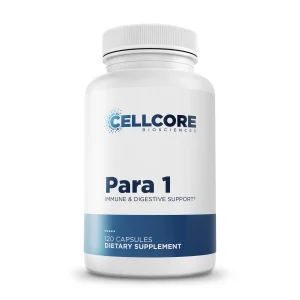
Since tests can be inaccurate and expensive, the best way to know is by doing a parasite cleanse. Using CellCore Para 1 and CellCore Para 2 in step two of the cleanse, you could visibly expel worms, flukes, egg sacs, mucoid plaque, and even mould. If you can see it, there’s no doubt—you have parasites.
If this sounded familiar
- How EMF Remediation in My Home Finally Supported Deeper Healing
- Mercury Toxicity: Hidden Dangers of Silver Fillings and Safe Detox
- Breast Implant Illness: When Breast Implants Make You Sick
Book a free Health Discovery Session
Thirty minutes, no obligation, with Esther, who has lived it herself. Tell her what you have already tried and you will get an honest read on whether her approach fits what you need, with room for your questions, your worries, and anything else about healing.