
How to Choose Clean, High-Quality Supplements
Not all supplement companies prioritise your health. Here is the checklist I use before choosing a supplement, and the ingredients to watch out for on the label.
 Esther, Natural Health Consultant — detox and parasite cleansing
·
6 minute read
On this page
Buying Supplements? Make Sure You’re Spending Your Money Wisely. And more importantly – know exactly what you’re putting into your body. I’ve been in the detox world for almost 10 years. Like many people, I went through piles of supplement bottles, hoping each one would finally be “the one” that helped me feel better. Only later did I realise something surprising… some of them were doing more harm than good.
The supplement world is enormous, and unfortunately — just like with medications — not all companies prioritise your health. Some are purely profit-driven. They cut corners on quality, add unnecessary fillers, and focus more on margins than on whether the product truly helps people.
That’s why it’s so important to look closely at what’s inside a supplement before taking it.
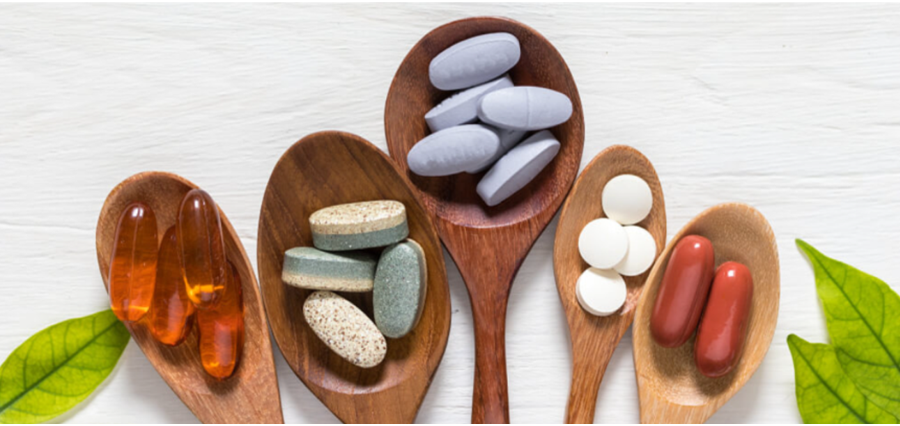
Why Supplement Quality Matters
Many people assume that if something is labelled “natural”, it must be safe or high quality.
Unfortunately, that isn’t always the case.
Some supplements contain fillers, additives, colouring agents, or contaminants that can irritate the body, interfere with absorption, or simply add unnecessary chemicals to your system.
Over time, these hidden ingredients can place an extra burden on the gut, liver, and detoxification pathways — the very systems we’re often trying to support.
Ingredients to Watch Out For in Supplements
Here are some common ingredients that often appear on supplement labels but may not be beneficial for your health.
- Magnesium Stearate: A manufacturing lubricant used to prevent ingredients sticking to machinery. In some cases it may reduce nutrient absorption and is often derived from low-quality oils.
- Titanium Dioxide: A whitening agent used to make capsules bright white. It has raised concerns in research and has been banned as a food additive in parts of Europe.
- Artificial Colours: Colours such as Red 40, Yellow 5, or Blue 1 are sometimes added purely for appearance and provide no nutritional value.
- Silicon Dioxide: Used to prevent powders from clumping. While common, some forms may irritate the gut in sensitive individuals.
- Artificial Sweeteners: Found in flavoured powders or chewables. Sweeteners like aspartame or sucralose can disrupt the gut microbiome.
- Synthetic Preservatives: Ingredients such as sodium benzoate may be added to extend shelf life but can irritate sensitive digestive systems.
- Hidden Contaminants: Low-quality supplements may also contain contaminants such as heavy metals, pesticides, mould toxins, or solvent residues if they are not properly tested.
Testing is so important.
What I Look For Before Choosing a Supplement
Over the years, I’ve developed a simple checklist whenever I research a new product.
Ingredients
Are the ingredients clean?
Where are they sourced from?
Most importantly:
Is the product third-party tested for heavy metals, chemicals, and contaminants?
This one is non-negotiable for me.
The Company
I tend to prefer smaller brands with real integrity.
Companies where you can feel the passion — where the founder truly cares about the product and the people using it. Often I have spoken myself to the owner of the company or have seen them in a webinar or lecture.
Not giant investment corporations focused only on profit.
Fillers and Additives
What extra ingredients are hiding in the formula?
Clean supplements usually contain:
- Minimal ingredients
- Natural stabilisers (such as organic gum acacia)
- Or sometimes nothing extra at all
Effectiveness
How many of us swallow supplements every day… yet still feel no different?
That’s simply money down the drain. When I select a new supplement, my goal is always the same:
To genuinely improve health and support healing.
If a product proves truly effective, I make it available in my shop so it can be easily accessed by the Australian public.
These days, I only invest in — and recommend — supplements that deliver real, noticeable benefits.
Choosing Supplements With Confidence
When you understand what to look for — and what to avoid — you can make much more informed decisions about your health.
You deserve supplements that:
- Support your body
- Contain clean, high-quality ingredients
- Are properly tested for safety
- And actually make a difference
If you’re tired of guessing which supplements are good and which aren’t, and you want to feel more confident about what you’re taking…
Start by looking beyond the marketing — and always check the label.
Check out the supplements in our shop. We are certainly proud of the range on offer.
Are you feeling overwhelmed or unsure how to move forward in your health?
We can help you with a program using trusted, evidence-based products that are clean, effective, and designed to deliver real, noticeable results for your health.
Where to Start
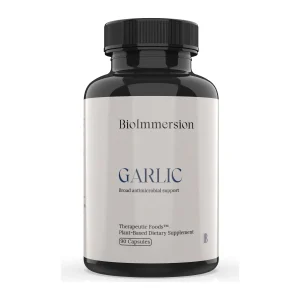
From our range, these match what this article describes, with nothing extra in the formula: BioImmersion Organic Garlic, a single ingredient in a plain capsule, and Sodii Unflavoured Electrolytes, with no sweetener, flavour or filler.

Frequently Asked Questions
What ingredients should you avoid in supplements?
Watch out for magnesium stearate, titanium dioxide, artificial colours such as Red 40, Yellow 5 or Blue 1, silicon dioxide, artificial sweeteners like aspartame or sucralose, and synthetic preservatives such as sodium benzoate. Low-quality supplements may also contain hidden contaminants such as heavy metals, pesticides, mould toxins or solvent residues if they are not properly tested. These may not be beneficial for your health.
Is magnesium stearate bad in supplements?
Magnesium stearate is a manufacturing lubricant used to prevent ingredients sticking to machinery. In some cases it may reduce nutrient absorption, and it is often derived from low-quality oils. Like other fillers and additives, it may not be beneficial for your health, and over time these hidden ingredients can place an extra burden on the gut, liver and detoxification pathways.
If a supplement is labelled natural, is it safe?
Not always. Many people assume that if something is labelled “natural”, it must be safe or high quality. Unfortunately, that isn’t always the case. Some supplements contain fillers, additives, colouring agents or contaminants that can irritate the body, interfere with absorption, or simply add unnecessary chemicals to your system. Start by looking beyond the marketing, and always check the label.
How do you know if a supplement is high quality?
I use a simple checklist. Are the ingredients clean, and where are they sourced from? Is the product third-party tested for heavy metals, chemicals and contaminants? Is the company a smaller brand with real integrity? Does the formula contain minimal ingredients, natural stabilisers such as organic gum acacia, or nothing extra at all? And does it deliver real, noticeable benefits?
Why is third-party testing of supplements so important?
Low-quality supplements may contain contaminants such as heavy metals, pesticides, mould toxins or solvent residues if they are not properly tested. That is why, for me, third-party testing for heavy metals, chemicals and contaminants is non-negotiable. It is the most important question I ask before choosing a supplement, alongside clean ingredients and where they are sourced from.
If this sounded familiar
- Why Your Liver Is Not Keeping Up
- Lipedema and Inflammation: Toxins, Diet and Lymphatic Health
- Longevity and True Healing: 7 Ideas You Can Start Today
Book a free Health Discovery Session
Thirty minutes, no obligation, with Esther, who has lived it herself. Tell her what you have already tried and you will get an honest read on whether her approach fits what you need, with room for your questions, your worries, and anything else about healing.