
GABA vs Glutamate: How Their Balance Affects Calm, Sleep and Mood
GABA is your brain's calming neurotransmitter, and glutamate is the accelerator. How calm you feel lies in the delicate balance between the two.
 Esther, Natural Health Consultant — detox and parasite cleansing
·
4 minute read
On this page
GABA is your brain’s calming neurotransmitter. How do you actually feel calmer in a world that never slows down? The answer lies in the delicate balance between two key neurotransmitters: GABA and Glutamate.
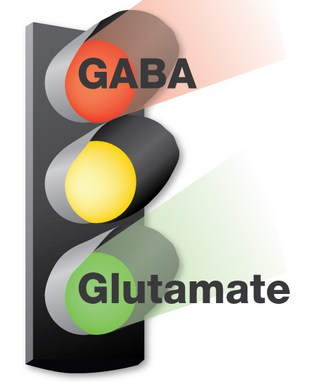
GABA vs Glutamate: Think of It Like Driving a Car
Glutamate is the accelerator — it excites the brain and drives activity, learning, and focus.
GABA is the brake — it slows things down, creates calm, and prevents overload.
When glutamate is dominant and GABA is low, your nervous system gets stuck in overdrive.
Signs of a Glutamate–GABA Imbalance
This imbalance is incredibly common and can show up as:
- Chronic stress and anxiety
- Racing thoughts and insomnia
- Migraines
- Heightened sensory sensitivity
- Emotional reactivity and mood swings
- Difficulty relaxing or “switching off”
High glutamate + low GABA also fuels inflammation in the brain and nervous system, creating a vicious cycle that can feel exhausting.
Common Triggers
Unfortunately, many everyday triggers push glutamate higher and GABA lower — things like MSG, histamine, ammonia, preservatives, environmental toxins, yeast and even hidden parasites.
Too much glutamate for too long can literally overstimulate and damage brain cells. That’s why restoring GABA function is so important.
What Changes When GABA Comes Back Online?
People often report noticeable improvements in:
- Feeling genuinely calm and relaxed
- Falling asleep faster and staying asleep
- Reduced muscle tension
- Better emotional regulation
- Improved ability to filter sensory input (less overwhelm)
Why Nervous System Support Matters
In my work with clients, supporting the nervous system is never optional — it’s foundational. That’s why I include targeted nervous system support in every protocol.
Because killing parasites, clearing toxins, or fixing gut health becomes much easier when your nervous system isn’t in fight-or-flight mode.
Products to Support GABA–Glutamate Balance
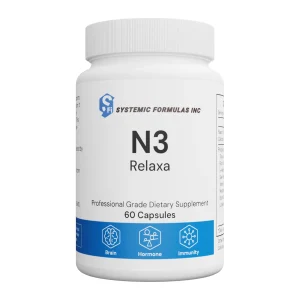
- Systemic Formulas N3 Relaxa: provides nutrients that support the calming neurotransmitter response of GABA and may help promote relaxation, stress resilience, and restful sleep.
- TJ Nutrition Parasym Plus: supplies the building blocks for acetylcholine, the signal your vagus nerve uses to move the body out of fight-or-flight and into rest-and-digest.
- Energetix Relax-Tone: formulated to support relaxation, nervous system balance, and a healthy stress response.
- CellCore ME Support: contains chamomile and lavender to help encourage relaxation, calmness, emotional resilience, and improved sleep.
- Healthy Gut BeSerene IR: a topical cream that carries GABA and L-theanine through the skin, for the moments when the mind is racing and the body will not wind down.
The Bottom Line
You don’t have to “push through” constant stress and anxiety. Supporting your GABA system and decreasing inflammation will make you feel calmer, more resilient, and in control again.
If you’d like to explore your neurotransmitters, I offer a free, 30-minute online Health Discovery Session. It’s a relaxed, supportive space to uncover your greatest opportunities for healing — no pressure, just clarity.
What we use for this


Frequently Asked Questions
What is the difference between GABA and glutamate?
Think of it like driving a car. Glutamate is the accelerator: it excites the brain and drives activity, learning and focus. GABA is the brake: it slows things down, creates calm and prevents overload. How calm you feel depends on the delicate balance between the two. When glutamate is dominant and GABA is low, your nervous system gets stuck in overdrive.
What are the signs of a glutamate–GABA imbalance?
This imbalance is incredibly common. It can show up as chronic stress and anxiety, racing thoughts and insomnia, migraines, heightened sensory sensitivity, emotional reactivity and mood swings, and difficulty relaxing or switching off. High glutamate with low GABA also fuels inflammation in the brain and nervous system, creating a vicious cycle that can feel exhausting.
What pushes glutamate up and GABA down?
Many everyday triggers push glutamate higher and GABA lower, such as MSG, histamine, ammonia, preservatives, environmental toxins, yeast and even hidden parasites. Too much glutamate for too long can literally overstimulate and damage brain cells. That is why restoring GABA function is so important, and why I include targeted nervous system support in every protocol.
What changes when GABA comes back online?
People often report feeling genuinely calm and relaxed, falling asleep faster and staying asleep, reduced muscle tension, better emotional regulation and an improved ability to filter sensory input, with less overwhelm. Killing parasites, clearing toxins or fixing gut health also becomes much easier when your nervous system isn’t in fight-or-flight mode.
If this sounded familiar
- The Chinese Body Clock
- Understanding Autism, PANS, and PANDAS: 5 Steps
- Could Depression or Anxiety Be Linked to Lyme Disease?
Book a free Health Discovery Session
Thirty minutes, no obligation, with Esther, who has lived it herself. Tell her what you have already tried and you will get an honest read on whether her approach fits what you need, with room for your questions, your worries, and anything else about healing.