
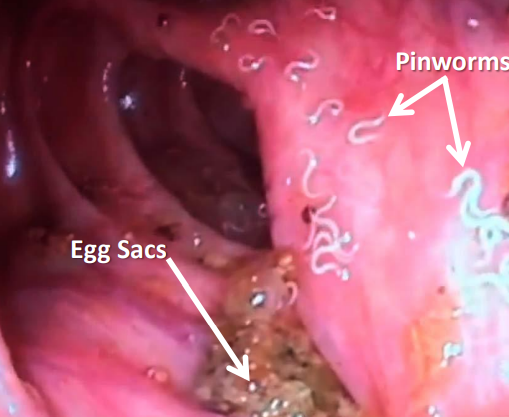
Pinworms, scientifically known as Enterobius vermicularis, are tiny, white parasitic worms that commonly infect the human intestines. They are particularly prevalent in children and are one of the most widespread parasitic infections. These worms measure around 6–13 mm in length and typically live in the colon and rectum.
Symptoms Of Pinworms and their Lifecycle
Female pinworms usually move to the anal area at night to lay eggs on the surrounding skin, leading to intense itching. Additional symptoms may include disrupted sleep, irritability, and abdominal discomfort. The reason females lay their eggs on the outside of the body is that oxygen is needed for egg maturation. It takes 2–4 weeks for an egg to develop into an adult pinworm.

Transmission of Pinworms
Transmission occurs through handling clothing, bed sheets, and surfaces contaminated with pinworm eggs, which are so light that they can become airborne.
Complications are more common in women than in men, as pinworms can sometimes migrate to the vulva, uterus, and fallopian tubes. This happens when the worms mistakenly enter the vaginal area while attempting to return to the anus after laying eggs, potentially leading to vaginal infection.

Do you need any help with your detox?
Anal Itching: Pinworms and Other Causes
Many correlate anal itching only with pinworms, but that’s not always the case. Patients can present with a variety of different parasites that cause anal itching, which may be released from the large intestine. We’ve also seen cases where Candida or fungal infections caused anal itching. All of these need to be addressed. Some of the parasites we find that cause anal itching include:
- Pinworms: Small, white, thread-like worms that live in the large intestine and around the anus.
- Giardia: A single-celled parasite that can infect the small intestine and cause diarrhea, abdominal pain, and anal itching.
- Hookworms: Parasitic worms that can infect the small intestine and cause anemia, abdominal pain, and anal itching.
- Schistosomes: Parasitic worms that infect the urinary tract or intestines, causing symptoms such as diarrhea, abdominal pain, and anal itching.
- Strongyloides stercoralis: A type of roundworm that infects the small intestine, causing diarrhea, abdominal pain, and anal itching.
It’s important to recognise that anal itching can also result from other factors, like skin conditions, allergies, hemorrhoids, and poor hygiene.
Pinworms and Mental Health
Studies have shown that pinworm infections are not only a common parasitic issue but also have significant implications for mental health. The prevalence of these infections in children can lead to considerable mental distress. Research suggests a notable association between pinworm infections and an increased risk of psychiatric disorders. This underscores the importance of addressing both the physical and mental health aspects of pinworm infections in those affected. Here you can find 2 of the studies:
# https://www.aerzteblatt.de/int/archive/article/206305
# https://jamanetwork.com/journals/jamapediatrics/article-abstract/1180858
Related Toxins and Cravings
The typical lifespan of a pinworm ranges from 5 to 13 weeks. However, a serious infestation should be treated for at least 5 to 6 months. It’s important not only to eliminate the worms but also to address toxins in the body. Pinworms thrive due to these toxins, so addressing them is essential to prevent the worms from returning.
Later in their life cycle, pinworms can cause cravings for sweets, donuts, pastries, bread, and other carbohydrate-rich foods. Parasites like pinworms feed on nutrients from their host and leave behind the scraps, potentially depleting energy reserves. This may cause the host to crave quick sources of energy, such as sugary or carbohydrate-rich foods, as the body tries to compensate for the perceived lack of nutrients.
FAQ
How to Relieve the Itchiness?
In a small bowl, combine coconut oil with about 10 drops of antiparasitic oils, such as tea tree oil, WO oil, garlic oil, or wormseed oil. Apply this cream after each visit to the toilet. It will not only soothe the itching but also help kill pinworm eggs.
Some individuals have found relief from anal itching after using a coffee enema. Additionally, some people have experienced relief by inserting a garlic clove at night, which helped alleviate the itching and eliminate worms and their eggs.
What Products Should I Use for My Children?
The best products for children are Para 1, 2, 3, or 4. These should be combined with a binder to address the underlying toxins, along with a support product like CT Minerals or BC ATP. Children’s dosage is generally based on their weight. If a child weighs half as much as an adult, they should receive half of the standard adult dosage. The key to success is to be persistent.
Pinworms and Appendix
here is a possibility that some cases of appendicitis are caused by a pinworm infestation. This occurs when female pinworms settle in the appendix, leading to inflammation and discomfort in that area.
What About the Male Worm?
Male and female worms mate inside the ileum, which is the last part of the small intestine. After mating, the male pinworm dies and is passed out via the stool.
Should I Reduce My Carbs and Sugar?
Carbohydrates are the preferred food source for pinworms. Eating a high-carb diet can encourage pinworm activity.
Are you ready to see if you have parasites?
Stay Informed and Heal Empowered