
Parasites are a modern-day epidemic, coming in all shapes and sizes. They can live anywhere in the body, such as in the sinuses, around the ears, in the brain, and, of course, the intestines. They use the body as a host and feed off the host’s energy, cells, or the food consumed by the host. Large parasites are primarily worms, while small parasites, like protozoa and amoebae, are microscopic in size. They are extremely toxic and can cause of a lot of sickness.
I had parasites coming out for a full year. On a few occasions, I had to pull them out – yes it was gross. But my persistence definitely paid off. Some symptoms completely disappeared, like abdominal pain, foul-smelling stools, bad headaches, itchiness, and grinding my teeth – it was the parasites living in my jaw that became more active at night, making me grind my teeth. I realised how easy it is to combat parasites, how prevalent they have become, and that the right supplements can be safely and very effectively used against these infestations.
Common Symptoms If You Have Parasites
- Rash on skin
- Heart problems
- Constipation
- Diarrhoea
- Muscle weakness
- Floaters in the eyes
- Junk food Cravings
- Excessive Appetite
- Allergies
- Depression
Parasites that infect people fall into one of three broad categories: ectoparasites, helminths, and protozoa.
My Personal Encounter with Parasites
In the beginning, the worms were tangled together, like cotton wool in a ball. The largest I measured was 40 cm. Most of them were not smooth, but full of other bits of stuck-on waste. Parasites can increase their weight by 6x with heavy metals and chemicals in and on them. They looked more like roundworms rather than being flat, like tapeworms. I also saw hair-like worms and a lot of flukes/stones. To be precise, I would catch my stool in a strainer once or twice a week to keep on top of the level of infection still going.
1. Ectoparasites
Ectoparasites are bugs that attach to the skin to feed on blood or skin tissue. Some even burrow under the skin and may trigger itching. Familiar examples of ectoparasites include: Bed bugs, Fleas, Flies, Lice, Mites, Mosquitoes, Ticks…
Some ectoparasites, such as bed bugs, only visit temporarily to get their blood meal. Others, like lice, don’t leave until efforts are made to get rid of them. Some ectoparasites not only feed on unsuspecting people but also act as vectors that carry other pathogens, transmitting them to their hosts. For example, ectoparasites can carry pathogens like Borrelia burgdorferi bacteria (which causes Lyme disease), plasmodium parasites (which cause malaria), and the West Nile virus. Some can also transmit Lyme co-infections, including babesia and bartonella.
2. Helminths
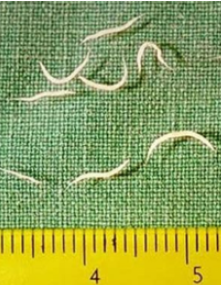
Helminth is the general term for a parasitic worm. Unlike protozoan parasites, helminths can be seen with the naked eye. For example, some Ascaris lumbricoides worms are up to 12 inches (35 centimeters) in length. But pinworms are just the size of a staple and white, so they can be easily missed. Similar to protozoans, different helminths gravitate toward specific areas of the body. That’s why they affect the functioning of specific organs and systems. The two main groups of helminths that infect people are roundworms and flatworms.

Roundworms
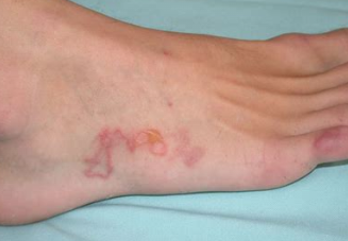
Roundworms These parasitic worms are also known as nematodes. They could infect various areas of the body, including the intestines, liver, lungs, skin, and tissues such as muscles. Some subtypes within the roundworm category are hookworms and pinworms. Hookworms get their name from the hook-like bend of their head. Pinworms are so-named due to the females’ pin-like tail.
Examples of common roundworms and some of their effects include:
✳️ Ancylostoma duodenale: Hookworm that infects the gut and causes anemia
✳️ Ascaris lumbricoides: Common intestinal roundworm that causes abdominal discomfort
✳️ Enterobius vermicularis: Pinworm that infects the colon and makes the anus itch
✳️ Necator americanus: Hookworm that infects the gut and causes anemia
✳️ Strongyloides stercoralis: Infects the gut, and each new batch of larvae can reinfect
✳️ Trichinella spiralis: Can cause stomach upset and infect muscles, causing pain
✳️ Trichuris trichiura: Also called a whipworm and causes painful, bloody diarrhoea
Specific parasites tend to infect certain types of cells. For example, Plasmodium infects the red blood cells, and Blastocystis infects the intestinal cells. But Toxoplasma infects a wide range of different cells. Symptoms could vary based on what cells the parasites infect.
Flatworms
Within the flatworm category, two common subtypes are flukes and tapeworms with flattened bodies. But their shapes are pretty different from each other.
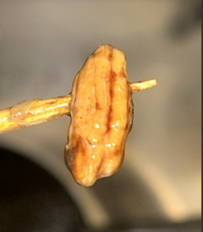
Flukes have a leaf-like shape that invades the blood, intestines, liver, and lungs. Flukes that infect the liver can damage the bile ducts. They can come in different sizes and colours.
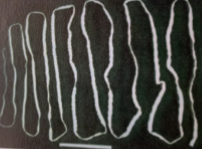
Tapeworms have ribbonlike bodies that are segmented. They most commonly infect the small intestine and can cause nausea and weight loss. They may also migrate to the gallbladder and block the common bile duct.
Examples of flukes and tapeworms are:
✴️ Clonorchis sinensis: Liver fluke that people may get from eating raw fish (sushi)
✴️ Schistosoma mansoni: Blood fluke that hides in the intestines and steals nutrients
✴️ Taenia solium: Long tapeworm that people may get from eating undercooked pork
✴️ Taeniarhynchus saginatus: Long tapeworm that people may get from undercooked beef
3. Protozoan parasites
You’d need a microscope to see these single-celled parasites. They are able to multiply in humans and create serious health issues for the host. Examples of protozoan parasites that infect people and some symptoms are:
- Babesia microti: Is a Lyme coinfection that can cause flu-like symptoms and anemia
- Blastocystis hominis: Is one cause of leaky gut, which can lead to food sensitivities
- Cyclospora cayetanensis: Can result in explosive bowel movements and diarrhoea
- Cryptosporidium parvum: Causes watery diarrhoea and other digestive upset
- Dientamoeba fragilis: Causes diarrhoea, abdominal pain, and appetite loss
- Entamoeba histolytica: Triggers stomach pain and loose stools, which may be bloody
- Giardia lamblia: Causes diarrhoea, greasy stools that float, and upset stomach
- Leishmania tropica: Leads to skin sores, which may start as bumps
- Plasmodium falciparum: Causes malaria, characterised by flu-like symptoms
- Toxoplasma gondii: Sparks mild flu-like symptoms and enlarged lymph nodes
- Trichomonas vaginalis: Triggers burning and itching of the reproductive organs
- Trypanosoma cruzi: May lead to enlarged spleen and liver, plus abnormal heart rhythms
Specific parasites tend to infect certain types of cells. For example, Plasmodium infects the red blood cells, and Blastocystis infects the intestinal cells. But Toxoplasma infects a wide range of different cells. Your symptoms could vary based on what cells the parasites infect.
Understanding Parasite Cleansing: A Positive Process of Healing
When beginning a parasite cleanse, it’s essential to recognise that experiencing new or intensified symptoms is actually a positive sign. These reactions indicate that your body is actively working to expel the toxins that contribute to illness. Often, the initial thought might be, “It’s not working; I feel worse.” However, with a carefully guided protocol, you’ll be equipped with tools to manage these “die-off” symptoms and lessen their intensity as you move towards recovery.
The goal is to keep symptoms mild and manageable, so you can work through them comfortably and continue progressing towards better health.
Do you need support in your detox journey?
Stay Informed and Heal Empowered
By Esther Croysdill 10/4/24
(1) https://www.omicsonline.org/canada/human-hookworm-peer-reviewed-pdf-ppt-articles/
(2) https://pinwormsandparasitesinhumans.blogspot.com/p/protect-children-from.html
(3) https://www.verywellhealth.com/hookworm-overview-4176230
(4) Book: Parasites and Worms in Humans by Dr David G Young, page 186
Reference: Esther Croysdill, Dr Todd Watts, Dr David G Young