
Eczema, also known as atopic dermatitis (AD), is a persistent inflammatory skin condition that leaves many grappling with dry, itchy, and irritated skin. It’s especially common in young children but can develop at any stage of life. For years, the standard treatment has revolved around medicated ointments, creams, and symptom management. However, new perspectives challenge the belief that eczema is always chronic and incurable. Could a hidden cause be driving this skin condition—and is healing possible?
Looking Beyond the Surface: The Role of Ascaris Parasites
One often-overlooked root cause of eczema is parasitic infection. Dr. Hulda Clark, in her groundbreaking book, suggests that both psoriasis and eczema are linked to a parasite called Ascaris. According to her research, Ascaris parasites release molting chemicals, which are highly allergenic and may trigger eczema. She highlights that households with pets experience recurrent reinfections, as animals are natural carriers of these parasites. Ascaris parasites are looking like long worms, with an average size of 35 cm. They can easily be seen in the stool. (1)
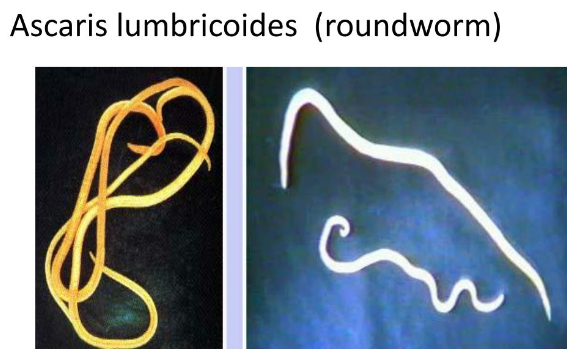
This isn’t just a theory—scientific studies reinforce the connection between parasites and eczema. One such study shows evidence of Ascaris lumbricoides infection contributing to eczema don’t work alone—they carry harmful bacteria and viruses. One significant bacterium, Bacteroides fragilis, thrives in oxygen-free environments provided by the parasites. This microbial burden can overwhelm the body, leading to inflammation and triggering skin reactions.
Urban Living, Pollutants, and Rising Eczema Cases
Eczema rates have skyrocketed over the past 30 years, especially in urban areas, where pollution levels are higher than in rural regions . Industrialisation has increased our exposure to toxins such as heavy metals, nitrogen oxide, and benzene—all of which are harmful to the skin. Meanwhile, cosmetic products and chemical-laden skincare further compromise the skin’s natural barrier, leaving it vulnerable to inflammation and infections. (2)
The Impact of Diet and Food Allergens
Diet plays a crucial role in managing eczema. For those with food sensitivities, certain foods—such as eggs, dairy, peanuts, soy, and wheat—can exacerbate symptoms. Additionally, artificial additives and preservatives often found in processed foods may trigger allergic reactions, worsening skin conditions.
Inflammatory Foods to Avoid:
- Additives and preservatives (e.g., MSG, nitrates)
- Common allergens: gluten, dairy, peanuts, shellfish
- Processed oils like canola or margarine
- Sugary foods and refined carbs

Do you need any help with your eczema?
A Holistic Approach to Healing Eczema
While conventional creams may offer temporary relief, true healing starts from within—by targeting the root cause. This means eliminating toxins, parasites, and harmful bacteria from the body. Skin issues often reflect an internal imbalance and a weakened immune system. Harmful organisms prefer people with a weak immune system. Strengthen yourself from the inside, and your skin will naturally reflect that vitality. Here are some practical steps to support recovery:
1. Cleanse Parasites
A focused parasite cleanse, targeting Ascaris specifically, can help eliminate the underlying cause of inflammation.
2. Follow an Anti-Bacterial Protocol
Since many eczema sufferers have bacterial overgrowth, an antibacterial treatment can help restore balance.
3. Avoid Triggers and Allergens
Reduce exposure to environmental irritants like dust, soaps, detergents, mould in the house and certain fabrics.
4. Detox from Chemicals and Heavy Metals
A detox program can flush out harmful chemicals, heavy metals, and toxins accumulated in the body.
5. Nourish the Skin Naturally
Choose skincare products free from synthetic chemicals. Edible options like coconut oil with antimicrobial essential oils can moisturise the skin while avoiding toxic substances.
6. Adopt Healthy Lifestyle Habits
- Vitamin D: Sun exposure or supplementation to boost immune health
- Inflammatory Foods: Avoid vegetable oils, alcohol, gluten and processed food
- Omega-3 Fatty Acids: Found in fish, avocado, and animal fats
- Meditation and Exercise: Manage stress, which can worsen flare-ups
- Light Therapy: Can help reduce inflammation and promote healing
Commitment to Long-Term Healing
Healing eczema from within takes time and dedication. Staying on track with a tailored treatment plan is essential for success. While it may seem daunting, many have found lasting relief by addressing the root cause of eczema—removing parasites, bacteria, and toxins from the body.
FAQ
Why is the link between eczema and parasites not well-known?
Mainstream medicine often focuses on treating symptoms rather than investigating root causes. Research on parasitic involvement is still evolving, and not all healthcare providers are aware of this connection.
What’s the best way to cleanse parasites?
Parasite cleanses involve herbal supplements (like wormwood, black walnut, and cloves), probiotics, and diet changes. It’s essential to follow a structured plan to avoid detox symptoms.
Can pets spread parasites that cause eczema?
Yes, pets can carry parasites like Ascaris that reinfect family members. Regular deworming and hygiene practices for pets help reduce the risk of transmission.
What’s the connection between eczema, parasites, and gut health?
Parasites disrupt gut health by introducing harmful bacteria and toxins, which can trigger inflammation throughout the body. Since eczema is linked to immune function and gut health, restoring balance in the digestive system can benefit skin health.
How long does it take to see improvements in eczema after a cleanse?
Results vary depending on the severity of the condition and the individual’s health. Some people notice improvements within weeks, while for others, it may take several months of detoxing and dietary adjustments.
Final Thoughts
Visit us if your doctor keeps prescribing endless rounds of steroid creams or other medical topicals. If they aren’t delivering lasting results, it’s time to take a different approach—like ours. Most creams offer only short-term relief by suppressing your immune response. But this is precisely when your immune system should be at its strongest, not held back!
For further reading, check out this case study on eczema caused by Ascaris infection. And remember, healing is possible—your skin, and your well-being, deserve nothing less.
Do you need support in your detox journey?
Stay Informed and Heal Empowered
By Esther Croysdill 16/10/24
References
- A case of atopic dermatitis caused by Ascaris lumbricoides infection. Retrieved from: https://clinicalmolecularallergy.biomedcentral.com/articles/10.1186/s12948-018-0088-5
- Urban-rural differences in eczema prevalence. Retrieved from: https://www.ncbi.nlm.nih.gov/pmc/articles/PMC4505354/