Dealing with gut problems that just won’t go away can be incredibly frustrating.
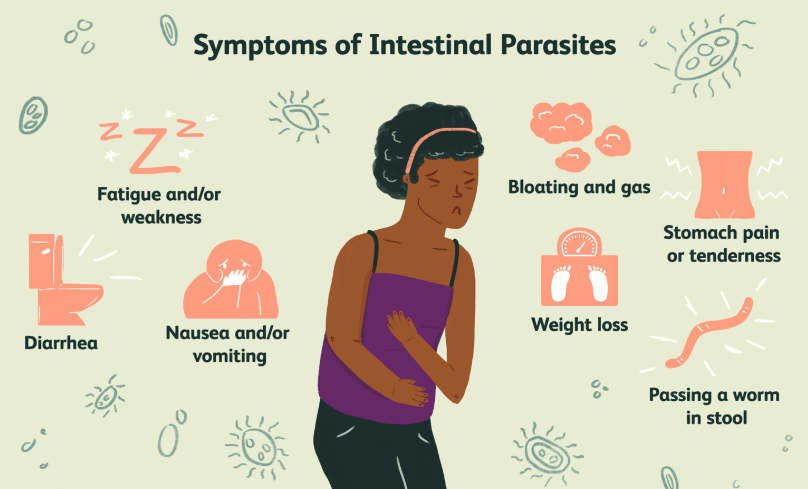
Persistent bloating, abdominal pain, diarrhoea, constipation, or unexplained fatigue can leave you searching for answers. For some people, the missing piece of the puzzle may be hidden parasites or imbalances in the gut microbiome. These often-overlooked factors can disrupt digestion, irritate the gut lining, and contribute to symptoms that resemble inflammatory bowel diseases. Let’s explore how parasites, bacteria, and other hidden stressors may influence gut health—and what you can do to support healing.
Understanding Inflammatory Bowel Disease (IBD)
Inflammatory Bowel Disease (IBD) is characterised by chronic inflammation in the digestive tract. Symptoms can vary widely and often come in waves, with periods of flare-ups followed by calmer phases.
The two main forms of IBD include:
🧬 Crohn’s Disease
Crohn’s disease can affect any part of the digestive tract, from the mouth to the anus.
It most commonly impacts the end of the small intestine and the beginning of the large intestine.
🧬 Ulcerative Colitis
Ulcerative colitis mainly affects the large intestine (colon) and causes ulcers and inflammation in the colon lining.
In reality, many people experience overlapping symptoms and gut imbalances, rather than fitting neatly into one category.
🌎 IBD Symptoms Often Affect the Whole Body
Although IBD begins in the digestive system, its effects can extend far beyond the gut.
Common symptoms include:
✔ Abdominal pain and cramping
✔ Persistent diarrhoea (sometimes with blood or mucus)
✔ Rectal bleeding
✔ Urgent need to pass stool
✔ Nausea and vomiting
✔ Chronic fatigue
✔ Mild fever
✔ Loss of appetite and weight loss
Extra-intestinal symptoms may also include:
✔ Joint pain
✔ Skin issues
✔ Eye inflammation
✔ Liver and biliary problems
When inflammation becomes chronic, it can affect multiple systems throughout the body.
Do you need any help with your detox?
🦠 Could Parasites or Harmful Bacteria Be the Missing Link?
A growing body of research suggests that gut microbiome imbalances and parasitic infections may sometimes contribute to digestive disorders. In some cases, parasitic infections can mimic symptoms of inflammatory bowel disease, which can make diagnosis more challenging.
Examples include:
Strongyloides
May cause abdominal pain, bloating, constipation, diarrhoea, and heartburn—sometimes resembling ulcerative colitis.
Giardia
Known for causing diarrhoea, bloating, and abdominal cramps, which may be mistaken for inflammatory bowel conditions.
Entamoeba histolytica & Pinworms
These parasites can produce IBD-like symptoms, including gut pain, diarrhoea, and inflammation.
Parasites can also damage the intestinal lining and disrupt the microbiome, allowing harmful bacteria to thrive and worsen inflammation.
🍄 Candida & Mould: Additional Gut Stressors
Gut imbalance rarely occurs in isolation.
Overgrowth of Candida albicans, a common yeast, has been linked to digestive inflammation and has been observed in some individuals with Crohn’s disease.
Environmental mould exposure may also affect immune function and gut health in sensitive individuals.
When these factors combine, they can make it much harder for the gut to restore balance and repair the intestinal lining.
🌱 Supporting Gut Healing: Key Steps
Healing the gut often requires a layered and supportive approach.
🥗 Review Your Diet
Remove foods that irritate the gut or promote inflammation. Choose food that nourish you and not feed your parasites.
🦠 Address Parasites
If parasites are present, clearing them can reduce ongoing irritation in the digestive system and other problems in the body.
🍄 Balance Candida & Mould
Supporting microbial balance can help restore gut stability. Mould is oh so common, read more here.
💊 Minimise Antibiotic Use
Frequent antibiotic use can disrupt beneficial gut bacteria.
🧘 Manage Stress
The gut and brain are deeply connected. Stress can directly worsen digestive symptoms.
Practices like breathing exercises, walking, and relaxation techniques can support gut healing.
Vibrant America has an easy urine test, which can be done at home, which will give you an idea of your bodies toxic load.
Frequently Asked Questions
Can I do a coffee enema if my gut is inflamed?
Yes you can do an enema, but start very slow. Begin with water only, and once tolerated, gradually introduce coffee.
Would castor oil packs help?
Yes, castor oil’s ricinoleic acid reduces inflammation-related swelling and pain.
What if I see blood in my stool?
Bright red blood often indicates haemorrhoids. Darker blood could be from higher up in the digestive tract.
How do I relieve constipation while detoxing?
Aloe Vera and products like Bowel Mover can ease constipation and soothe an inflamed gut lining.
Is cramping normal during a parasite cleanse?
Yes, as your body adjusts to the cleanse, muscles previously inactive may cause cramping. This is a positive sign of progress.
I am experiencing mild die-off symptoms, is this ok?
Die-off symptoms typically last anywhere from a few days to a week. If they persist beyond this, it could be a reaction to something in your diet. Take it easy—die-off symptoms are a normal part of the healing process as your body clears out toxins.
Are you feeling overwhelmed or unsure in how to move forward in your health?
Please remember:
𝒀𝒐𝒖 𝒂𝒓𝒆 𝒏𝒐𝒕 𝒃𝒓𝒐𝒌𝒆𝒏.
Your body is incredibly resilient and always on your side. Sometimes we just need to give it the right support, and let it do what it’s designed to do — heal and thrive 
Take Control of Your Gut Issues Today
If you’re struggling with gut issues, don’t wait and keep suffering — there is a way forward. If you’re unsure where to start, we’re here to help. You can book a free Health Discovery Session to begin your journey toward relief.
By Esther Croysdill 19/11/24